If you’ve ever brushed off sound therapy as just someone whacking a gong in a yurt whilst burning incense, you’re in good company. Most of us assume it’s purely aesthetic, a bit of pleasant background noise dressed up in spiritual clothing. But sound therapy is actually a structured practice that uses vibrations from instruments like singing bowls, gongs, tuning forks, and binaural beats to promote physical, emotional, and mental well-being. There are measurable outcomes, genuine mechanisms, and a growing body of clinical research behind it. This guide will walk you through what audio healing techniques actually are, how they work, which methods suit different people, and how to fold them into your life without needing a doctorate in acoustics or a very large gong.
Key Takeaways
| Point | Details |
|---|---|
| Sound goes beyond relaxation | Audio healing uses vibration and brainwave entrainment for measured wellness benefits. |
| Multiple techniques available | You can choose from sound baths, bowls, binaural beats, and more depending on your goals. |
| Science backs the benefits | High-quality studies confirm improvements in stress, anxiety, and sleep from these practices. |
| Personal resonance matters | Choose sounds that feel right for you—enjoyment and intuition are key for lasting engagement. |
What are audio healing techniques?
Let’s start with a definition that doesn’t sound like it was pulled from a New Age pamphlet. Audio healing, also known as sound therapy, is the intentional use of sound frequencies and vibrations to support the body’s natural capacity to regulate, restore, and function optimally. As research confirms, vibration restores frequencies and encourages well-being by nudging the body back towards its natural equilibrium. Think of it less like a concert and more like a finely tuned recalibration.
The instruments most commonly used include:
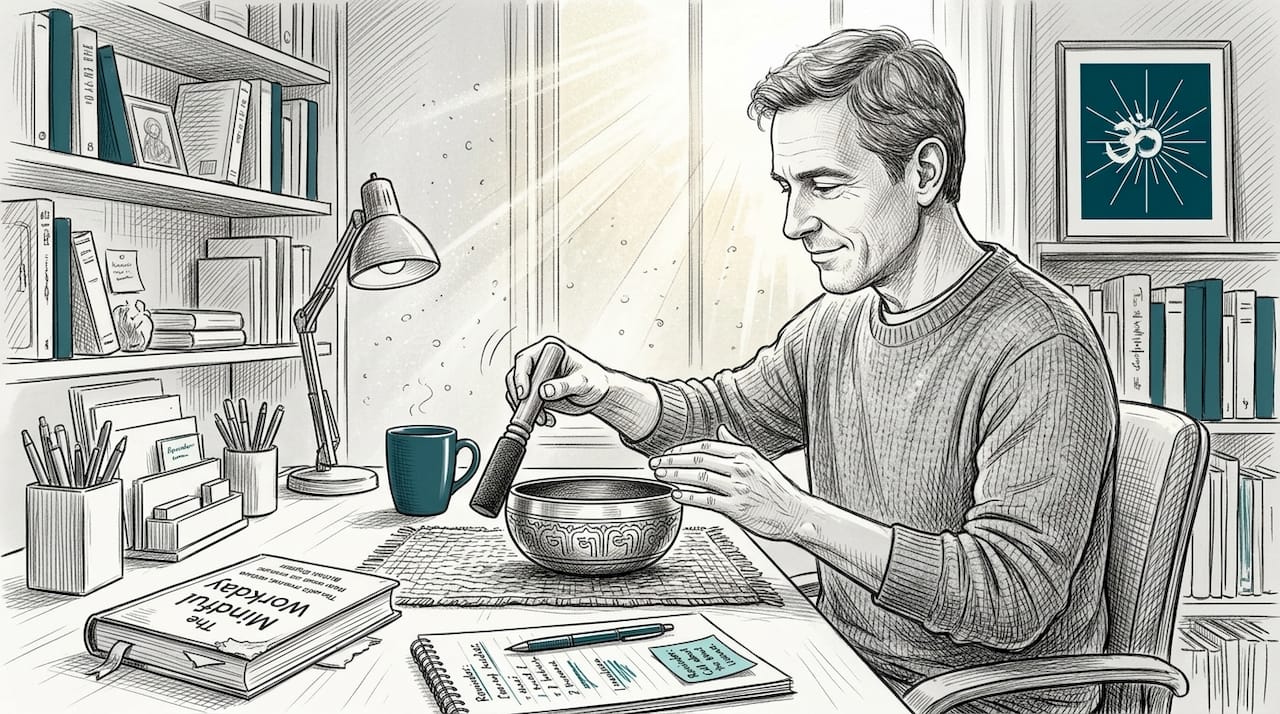
- Tibetan and crystal singing bowls: Struck or circled with a mallet to produce long, resonant tones that seem to hum directly into your chest cavity.
- Gongs: Used in ‘gong baths’ where the listener lies down and is essentially bathed in overlapping sound waves. Not as aggressive as it sounds, promise.
- Tuning forks: Precise metal instruments struck to produce a specific frequency, sometimes placed directly on the body.
- Drums and frame drums: Rhythmic instruments used in shamanic and indigenous traditions to induce trance-like meditative states.
- Chimes and bells: Often used as transitional sounds in meditation practice.
- Chanting and mantra: The human voice as an instrument, producing resonance internally as well as externally.
- Binaural beats: An electronic method using headphones to present slightly different frequencies to each ear, creating a perceived third tone in the brain.
What separates a ‘healing’ practice from simply pleasant listening? Intentionality, structure, and frequency awareness. Enjoying a Beethoven symphony is wonderful, but it’s not the same as a session designed around specific sound frequency benefits for your nervous system. Sound therapy has been practised for thousands of years across cultures from Tibetan monasteries to Aboriginal Australian traditions. Its current surge in popularity in wellness communities is not a fad. It reflects a growing desire for non-pharmaceutical, accessible approaches to mental and emotional health.
Pro Tip: Before buying a singing bowl or booking a professional session, spend a week simply noticing which sounds make you feel calm versus alert. Your instinctive preferences are genuinely useful data.
How audio healing works: Mechanisms and science
So we know what it is. But how on earth does a vibrating metal bowl influence your stress hormones? The answer lies in a few interconnected mechanisms, and understanding them makes the whole thing considerably less mystical.
Vibration and resonance are the starting point. Every cell, organ, and tissue in the body has a natural oscillation frequency. When external sound frequencies match or gently influence those natural rates, the body can respond by shifting towards more regulated, coherent functioning. It’s a bit like how a tuning fork will cause another nearby fork of the same pitch to vibrate without being touched. Your body, it turns out, is not entirely unlike a tuning fork.
Brainwave entrainment is where things get genuinely fascinating. The brain naturally produces electrical patterns, known as brainwaves, at different frequencies depending on your state: beta waves when you’re alert and problem-solving, alpha waves during relaxed awareness, and theta waves in deep meditative or pre-sleep states. Brainwave entrainment happens when rhythmic audio stimuli encourage the brain to synchronise with a specific frequency, essentially coaxing it into a desired state.
Binaural beats are perhaps the cleverest trick in the toolkit. If you play a 200Hz tone in your left ear and a 210Hz tone in your right, your brain perceives a phantom beat of 10Hz, which sits squarely in the alpha frequency range associated with calm focus. We’ve written about binaural beats for healing in detail, because the specifics genuinely matter when choosing what to listen to.
Cymatics is the study of visible sound patterns, demonstrating that different frequencies create distinct geometric patterns in physical matter. The implication is that sound shapes matter at a cellular level, which is either profound or slightly unsettling depending on your morning.
| Mechanism | How it works | Potential outcome |
|---|---|---|
| Vibration and resonance | External sound matches body’s natural frequencies | Physical relaxation, tension release |
| Brainwave entrainment | Rhythmic audio nudges brainwave states | Reduced anxiety, meditative states |
| Binaural beats | Different tones per ear create perceived frequency | Focus, deep relaxation, improved sleep |
| Cymatics | Sound patterns influence cellular structure | Cellular coherence, stress reduction |
“Randomised controlled trials and pre-post studies consistently show reductions in stress, anxiety, and cortisol levels, as well as improvements in blood pressure and sleep quality following sound therapy interventions.”
You can explore soundscapes for relaxation and our detailed binaural beats Hz guide to understand which frequency ranges are most commonly associated with specific outcomes.
Popular methods and practical applications
Right, theory is lovely, but let’s talk about what actually happens in a session and how you can start without immediately spending a fortune.
A sound bath is probably the most well-known format. You lie on a yoga mat, usually with a blanket and an eye pillow (the full spa aesthetic, essentially), while a practitioner plays singing bowls, gongs, and other instruments around you. Sessions typically run between 45 and 90 minutes. The goal is passive immersion: you do nothing except receive the sound. Many people report entering genuinely deep states of relaxation within the first 15 minutes, often to their own surprise.
Here’s a simple step-by-step approach to setting up your own session at home:
- Choose your audio source: Binaural beat tracks, guided sound meditations, or recorded sound baths are widely available. Look for recordings that specify frequency ranges.
- Use good headphones or speakers: Binaural beats require stereo headphones to work. For singing bowl recordings, quality speakers with decent bass response make a real difference.
- Prepare your space: Dim lights, comfortable surface to lie on, phone on silent. Obvious, but often skipped.
- Set a duration: Even 15 to 20 minutes is genuinely effective for beginners. You don’t need an hour to benefit.
- Choose your posture: Lying flat is ideal. Some prefer seated with eyes closed. Avoid anything that might cause you to drift off accidentally (unless sleep is the goal).
- Select a frequency intention: For healing harmonics techniques focused on deep relaxation, theta frequencies around 4 to 8Hz are a popular starting point. For focused calm, alpha ranges work well.
Beyond sound baths, vibroacoustic therapy uses specially designed chairs or beds that physically vibrate in sync with low-frequency sound, creating a full-body tactile experience. Acutonics places tuning forks directly on acupuncture points, marrying traditional Chinese medicine with sound frequencies. Sound therapy methodologies include mantra chanting and gong baths as equally valid entry points, particularly for those with a meditation background who want structure with their sound.
Exploring theta binaural beats is a fantastic way to start if you’re new to the practice and not yet ready to invest in physical instruments.
Pro Tip: Consistency beats duration every time. A 15-minute daily session will produce more noticeable benefits over a month than one two-hour session per week. Treat it like brushing your teeth, only considerably more relaxing.
Evidence and real-world impact: What research reveals
Now for the bit where we separate well-intentioned enthusiasm from actual evidence. Because frankly, if you’re going to invest time and energy into a practice, you deserve to know what the data actually says.
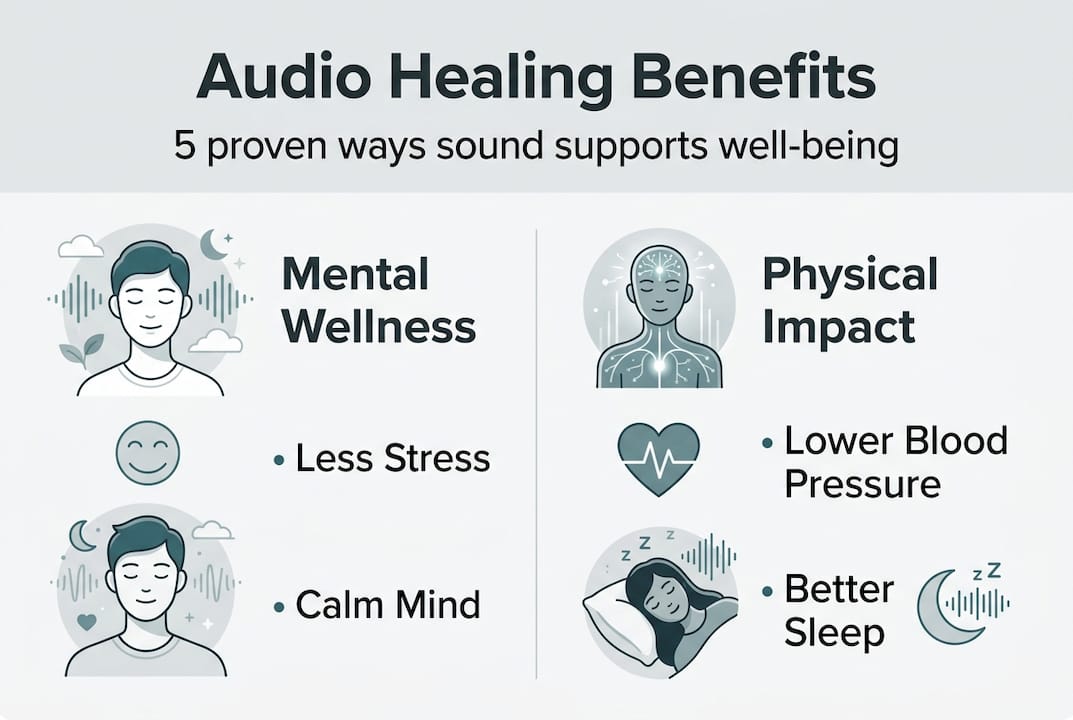
Multiple studies confirm reductions in stress, anxiety, depression, cortisol, and blood pressure, alongside improvements in sleep quality and cognitive function across a range of sound therapy modalities. These aren’t small, unpublished claims. Randomised controlled trials using validated measures like the Perceived Stress Scale (PSS) and the Pittsburgh Sleep Quality Index (PSQI) have shown consistent, statistically significant results.
| Study focus | Measure used | Key finding |
|---|---|---|
| Stress and anxiety | Perceived Stress Scale (PSS) | Significant reductions after sound therapy |
| Sleep quality | PSQI | Improved sleep onset and quality |
| Cortisol levels | Biological sampling | Measurable reductions post-session |
| Mood and fatigue | POMS questionnaire | Lower anger, fatigue, and tension scores |
| PTSD symptoms | Clinical assessment | Reduced severity with regular sessions |
You can review clinical sound therapy data for a deeper look at the numbers behind these outcomes.
The key benefits reported across research and real-world user experiences include:
- Stress and anxiety reduction: Consistently the most reported and most evidenced benefit
- Improved sleep: Particularly for those with insomnia or disrupted sleep patterns
- Mood stabilisation: Lower scores on anger, tension, and fatigue measures
- Cognitive clarity: Improved focus and mental calm following sessions
- Pain reduction: Particularly in combination with meditative breathing
Exploring the right tools matters too. Sound frequency machines and relaxing frequency options can significantly shape your experience depending on your specific wellness goals. What users consistently report is not just relaxation during sessions but a lingering sense of calm that carries into the hours and days following regular practice. That’s not placebo theatre. That’s neurological momentum.
Selecting and safely integrating techniques into your life
With all this promising evidence, the temptation is to immediately sign up for weekly gong baths and order three singing bowls from the internet. Understandable. But a slightly more considered approach will serve you considerably better.
First, sound healing complements rather than replaces conventional medical treatment. If you’re managing a chronic condition, anxiety disorder, or sleep disorder, please have a conversation with your GP before making sound therapy a central part of your treatment plan. It’s a powerful companion, not a substitute.
Here’s a practical comparison to help you decide where to begin:
| Factor | DIY at home | Professional session |
|---|---|---|
| Cost | Low to moderate | Moderate to high |
| Flexibility | High | Scheduled |
| Personalisation | Self-directed | Practitioner-guided |
| Equipment needed | Headphones, apps | None required |
| Ideal for | Beginners, daily practice | Deeper exploration, specific goals |
When deciding which approach suits you, consider:
- Your sensory sensitivities: Some people find loud gongs overwhelming. Start gently.
- Your wellness goals: Sleep, anxiety, focus, and emotional processing may each point towards different modalities.
- Your schedule: A daily 15-minute binaural beat session is more sustainable than monthly professional appointments alone.
- Your existing practices: Sound therapy integrates beautifully with yoga, breathwork, or journalling.
- Any hearing considerations: Binaural beats require healthy bilateral hearing to function as intended.
One honest note worth making: many practitioners have differing views on the exact significance of specific frequencies. The isochronic vs binaural beats debate, for instance, is ongoing. Rather than becoming obsessed with pinpoint frequency accuracy, focus on what feels good and produces results for you. Holistic engagement and genuine enjoyment are more predictive of benefit than rigidly following a frequency prescription.
The uncomfortable truth about audio healing: Why intuition matters most
Here’s something I’d argue that most guides won’t say plainly: the wellness industry has a rather unfortunate habit of making people feel like they’re doing it wrong. Wrong frequency, wrong instrument, wrong posture, not enough sessions. It’s exhausting, and it rather defeats the purpose of a practice meant to reduce your stress.
The science absolutely supports audio healing as a genuine, effective modality. But the science also shows that enjoyment and personal resonance are among the strongest predictors of whether someone sticks with a practice long enough to benefit from it. Fixating on whether you’re using exactly 528Hz rather than 432Hz is, frankly, missing the point. As those with deeper healing insights will tell you, the most consistent practitioners are not the ones with the most precise frequency setups. They’re the ones who genuinely look forward to their sessions.
My honest suggestion? Treat audio healing the way you’d treat finding a new favourite food. Sample things. Notice what delights you. Return to what feels nourishing. If a particular recording makes you feel inexplicably calm and happy, that is your data. Trust it. No frequency chart required.
Discover curated meditation music for your sound healing journey
If you’ve made it this far and you’re ready to actually hear what thoughtfully crafted sound healing sounds like, we’d love to be your starting point. At Orchestral Meditations, we’ve built a library of professionally produced meditation music, recorded with live musicians at Abbey Road Studios, specifically designed to support the kind of deep, restorative listening we’ve been discussing throughout this guide.
From binaural beats and theta frequency tracks to sweeping orchestral soundscapes, our meditation music collection is designed around genuine acoustic quality and therapeutic intent. If you’d like something more tailored, explore our personalised meditation tracks to find recordings matched to your specific well-being goals. Your ears deserve the good stuff.
Frequently asked questions
What are the main types of audio healing techniques?
Popular techniques include sound baths, vibroacoustic therapy, guided sound meditations, binaural beats, gong baths, and mantra chanting, each offering a different depth and style of engagement.
Is sound therapy scientifically proven to work?
RCTs show reduced stress, anxiety, and improved sleep across multiple studies, though sound therapy works best as a complement to, rather than a replacement for, conventional medical care.
Can I practise audio healing safely at home?
Absolutely. Starting with accessible home practice using quality headphones and well-produced recordings is a perfectly valid beginning, though consulting a professional is wise if you have chronic health conditions.
Do specific frequencies matter for results?
Holistic engagement matters more than precise frequency adherence. Scepticism remains in clinical circles about strict frequency claims, so prioritise what resonates with you personally over chasing a specific number.
Recommended
- Essential List Of Healing Frequencies For Wellness And Balance
- Understanding Sound Therapy Frequencies: Benefits And Best Practices
- Understanding The Frequency Of Healing: Benefits And Applications
- Transform Your Health: Top Benefits Of Music With Healing Frequencies – Orchestral Meditations
- Audio restoration for pristine digital and vinyl sound