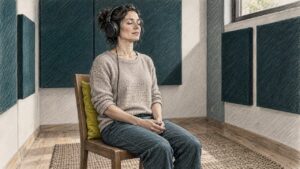
The best qigong meditation music is slow, sparse, and instrumental. Think bamboo flute, sustained strings, or ambient orchestral drones rather than anything with a hook or a beat. It should sit quietly behind your breath, never compete with it.
For breath-based work like the Six Healing Sounds, that means finding tracks built to support vocal practice rather than distract from it. A good starting point for well-produced meditation music is to look for recordings by experienced composers and producers.
TL;DR:
- Most effective qigong meditation music is slow, sparse, and instrumental, with instruments like bamboo flute, strings, and ambient drones supporting breath and movement.
- Volume should be kept at background levels, especially during vocal practices like the Six Healing Sounds, so practitioners’ own tones stay audible and centered.
- Tracks around 40 to 60 beats per minute and lasting 10 to 60 minutes avoid distractions and support sustained focus, with long-form mixes preferred for uninterrupted practice.
- Studio-grade recordings using orchestral scoring and binaural or surround sound significantly enhance immersion compared to home-recorded loops.
- Licensing and composer credits matter; always verify permissions before using recordings in paid classes or commercial settings to respect the creators’ work.
Best musical styles and instruments for qigong meditation
Ask ten qigong teachers what music they use and you’ll get ten different answers, but most will circle back to the same handful of sound palettes. There’s a reason for that.
Bamboo flute recurs constantly in this space, and it’s not just tradition for tradition’s sake. The breathy, imperfect tone of a flute mimics the human exhale in a way that synthesised pads simply cannot. Sustained strings do something different: they create a held, warm bed of sound that gives moving qigong forms a sense of continuous flow, matching the unbroken circular movements the practice is built around.
Then there are the quieter tools:
- Soft hand-drums — a gentle, irregular pulse that suggests a heartbeat without imposing a strict tempo
- Ambient drones — low, sustained tones that fill a room without ever demanding attention
- Sparse piano — occasional single notes or slow chords, useful when you want just enough structure to mark the passage of time
- Bells or singing bowls — brief, resonant tones that work well as gentle transition markers between movement sequences
The common thread across all of these is sparseness. Wide reverb, long decay, and slow tempi keep the ear from grabbing onto a melody, which is exactly what you want when the point of the exercise is internal awareness, not appreciation of the composition. Seated breath practice tends to suit the quietest end of this spectrum (drones, distant flute), while moving qigong forms can handle slightly more rhythmic material, since the drum or pulse can echo the pace of the movement itself.
How to use music with Six Healing Sounds and breath-based qigong
The Six Healing Sounds, or Liu Zi Jue, are six vocal tones tied to specific organs and practised on long, soft exhales to calm the nervous system, according to Pacific College. That single fact should shape every decision you make about music here. This is a vocal practice first. The music is furniture, not the main event.
Here’s a sequence that works well for both solo practice and teaching groups:
- Warm the room with music at a normal listening volume during arrival and settling.
- Lower the volume noticeably once vocal exhales begin, so your own tone stays audible to you.
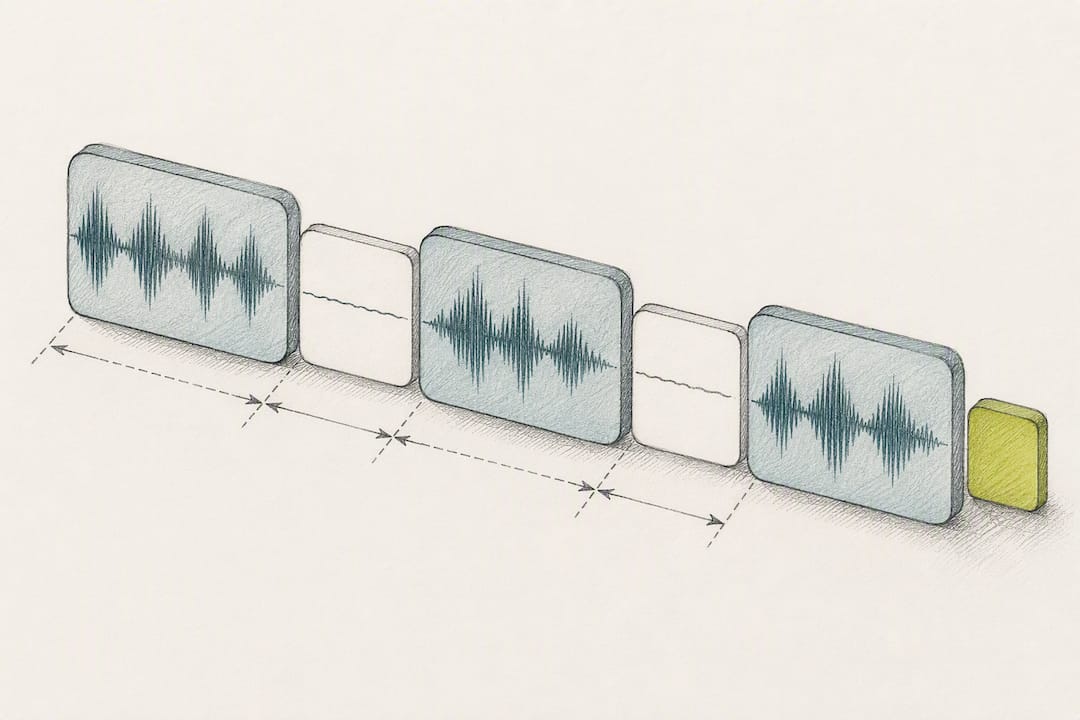
- Allow silent gaps between repetitions rather than filling every second with sound.
- Switch to continuous ambient tracks for longer sessions to avoid jarring track changes mid-breath.
Practitioner guidance from the WU Healing Center backs this up directly, recommending whisper-level volume and treating music strictly as background atmosphere so the practitioner’s own tones stay dominant. If you’re working through headphones, cut anything above the low midrange. Sibilant treble or bright strings will fight with the sound of your own breath in a way that speakers rarely do.
Pro Tip: When teaching a group, a soft cueing beep or a two-second pause built into the track can mark the shift from one healing sound to the next, without you needing to speak over your own vocal work.
Track selection checklist: tempo, duration and production
Many tracks suitable for qigong or tai chi are slow, around 40 to 60 beats per minute, which helps music stay in the background rather than draw attention.
Before adding anything to your practice library, run it through this checklist:
- Tempo and descriptors — look for terms like “slow,” “ambient,” or “meditative” in the title or album notes
- Duration — a single 10 to 60 minute track, or a continuous mix, beats a playlist of three-minute songs with jarring cuts between them
- Frequency content — minimal midrange, low ambient texture, no strong melodic hooks that pull the ear
- Optional extras — binaural or 3D surround mixing, useful for headphone listening but not essential for speaker playback
- Composer credit — a named composer or producer, such as Robert Emery or Moritz Schneider in Orchestral Meditations’ catalogue, is a reasonable proxy for production quality
Long-form formats dominate this genre for good reason: practitioners consistently favour hour-long mixes and full albums, as seen in collections like Qigong Healing on Spotify, because they remove the need to think about the next track mid-session.
Where to find qigong meditation music and how to build a session playlist
YouTube long-plays and Spotify albums remain the two easiest starting points, alongside dedicated meditation music shops and individual artist pages that specialise in this style. Public playlists such as Relaxing Music Therapy are genuinely useful for personal practice, though anyone teaching paid classes needs to check licensing before using them commercially.
Building a session is less about finding one perfect track and more about structuring a short arc:
- Opening (2 to 5 minutes) — gentle intro music while settling and breathing normally
- Practice segments — one continuous ambient piece per movement phase or healing sound, rather than switching tracks mid-exhale
- Cool down — a quieter, sparser piece to signal the session winding towards stillness
For playback, download tracks offline where possible. A buffering interruption mid Six Healing Sounds practice is more disruptive than most people expect, and crossfading between segments avoids the jolt of a hard stop.
What studio-grade orchestral recordings add to a qigong practice
Not all qigong music is recorded the same way, and the difference shows up the moment you put headphones on. Orchestral Meditations records at Abbey Road with the National Philharmonic, using 3D surround and binaural mixing alongside frequency-aware mastering, according to details on its shop page. That’s a genuinely different production tier from a home-recorded ambient loop, and composers Robert Emery and Moritz Schneider bring orchestral scoring experience that shows in how the arrangements breathe and leave space.
Before buying or licensing anything, check these details on the product page:
- Composer and studio credits — named composers signal a properly produced track, not a stock loop
- Instrumentation listed — confirms whether it fits your seated or moving practice
- Licence type — personal use versus professional use for classes, apps, or therapy settings
| What to check | Why it matters |
|---|---|
| Studio and orchestra credit | Signals recording quality and consistency across a catalogue |
| Composer name (e.g. Robert Emery, Moritz Schneider) | Indicates deliberate scoring rather than generated loops |
| Personal vs professional licence | Determines whether you can use the track in paid classes or apps |
| Binaural/3D surround availability | Relevant mainly for headphone listening, optional for speaker use |
For guidance on how frequency-aware production actually supports a meditative state, Orchestralmeditations covers the reasoning in more depth in its piece on science-backed sound and music.
Balancing tradition and modern recordings: an instructor’s viewpoint
Try a few sessions in total silence before you reach for any track. It’s a useful baseline, and it will tell you fast whether music is genuinely adding calm or simply filling a silence you were uncomfortable with.
If you do teach paid classes with recorded music, credit the composer and check your licence terms properly. That’s not bureaucratic box-ticking, it’s basic respect for people like Robert Emery and Moritz Schneider, whose scoring work is doing real labour in your session even when nobody in the room notices it. Keep the music secondary. The breath is still the practice.
— ROBERT
Audition studio-grade qigong tracks before you commit
Some meditation music libraries offer recordings with live orchestral performances rather than synthesised loops.
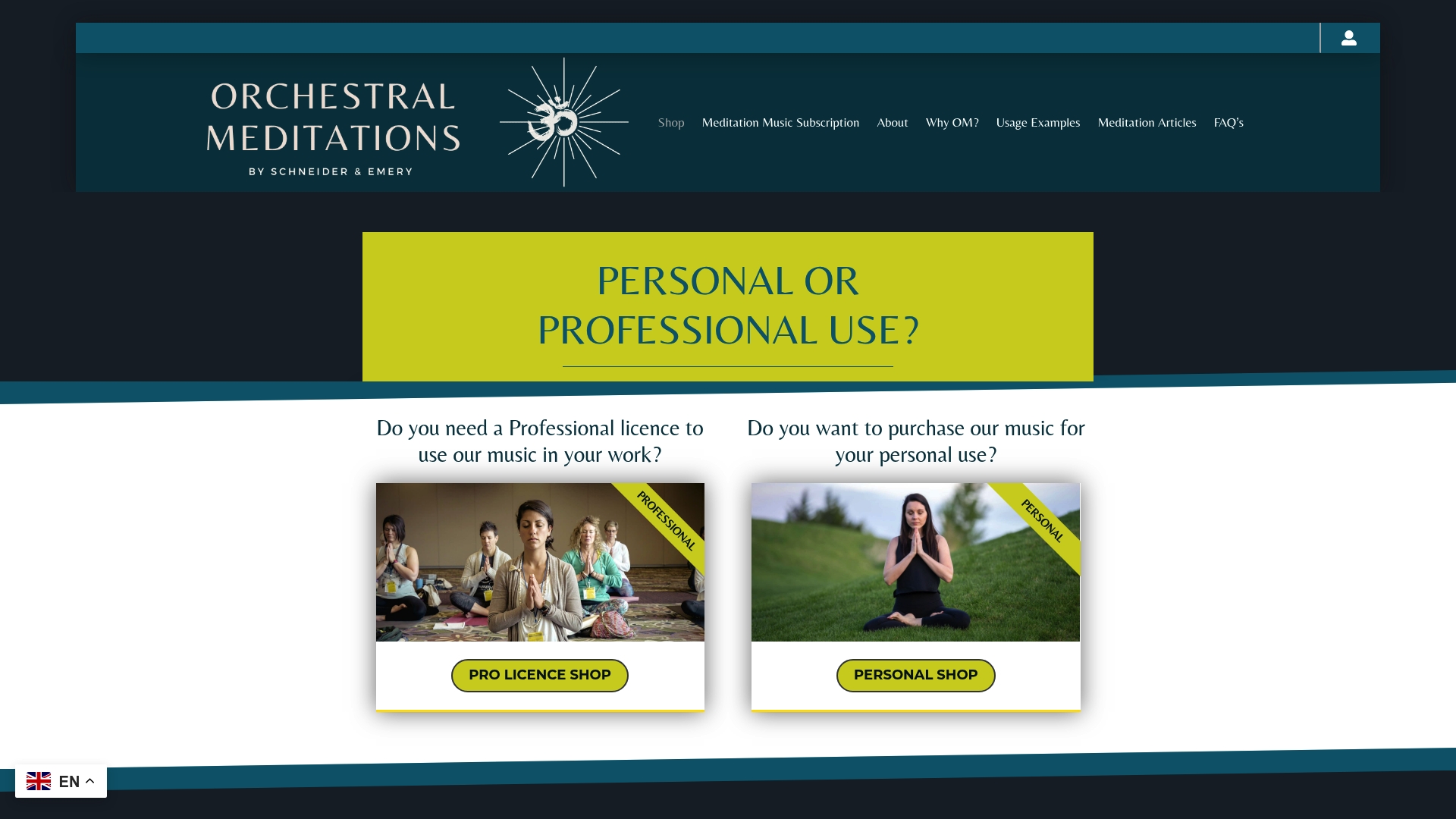
That matters most once you move from personal practice into teaching. Catalogues often include options for individual track downloads and subscriptions for personal use, with professional licensing available for classes, apps, and therapy settings. Composer and producer credits may appear on product pages to help users assess instrumentation and production approach before purchase.
If you’re ready to test whether a genuinely produced track changes your session, browse the shop and audition tracks to see which licence fits your practice.
Sources
- The 6 healing sounds and their therapeutic applications — Pacific College
- Six Healing Sounds practitioner notes — WU Healing Center (PDF)
- Qigong Healing – 50 Qigong Meditation Music — Spotify
FAQ
What are the six healing sounds in qigong?
The Six Healing Sounds, or Liu Zi Jue, are six vocal tones (Xu, He, Hu, Si, Chui, and Xi) each linked to a specific organ, practised on long, soft exhales, according to Pacific College.
What is qigong meditation?
Qigong meditation combines gentle movement, breath control, and focused attention to cultivate energy and calm, often paired with vocal practices like the Six Healing Sounds rather than silent stillness alone.
What kind of music works best for a qigong meditation playlist?
Slow, sparse instrumental music, roughly 40 to 60 beats per minute, with minimal melody and long-form structure, works best because it supports breath and vocal work without pulling focus. Orchestral Meditations’ recordings, produced by Robert Emery and Moritz Schneider, are one option built specifically around that ambient, breath-friendly quality.
Should music be loud or quiet during qigong practice?
Quiet. Practitioner guidance recommends keeping recorded music at background level, especially during Six Healing Sounds, so your own vocal tones remain the primary sound in the room, per the WU Healing Center.
How long should a qigong meditation music track be?
A single track between 10 and 60 minutes, or a continuous long-form mix, suits practice better than a playlist of short songs, since it avoids interruptions during breath-based sequences.