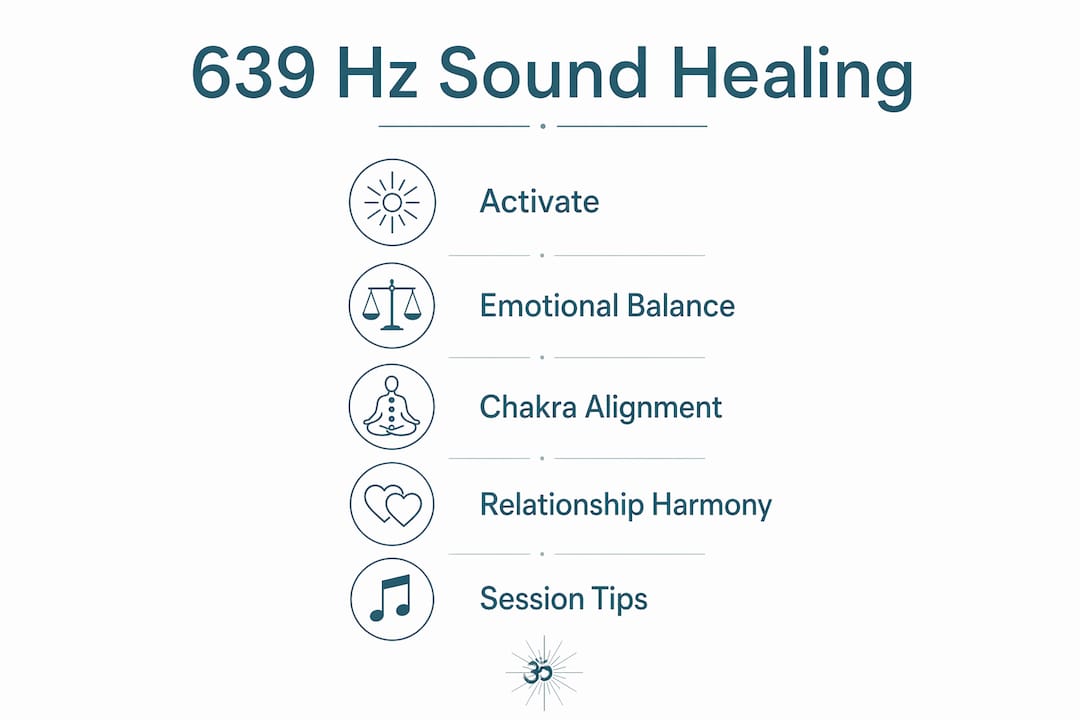
639 hertz is defined as the fourth tone of the ancient Solfeggio scale, linked to the syllable FA and widely associated with the Heart Chakra, emotional connection, and relationship harmony. In sound therapy, this frequency is recognised for its ability to activate the parasympathetic nervous system, supporting deep relaxation and emotional balance. Composers Robert Emery and Moritz Schneider, whose orchestral meditation music is recorded at Abbey Road Studios with the National Philharmonic, have incorporated 639 Hz tones into their works precisely because of this frequency’s capacity to open the heart and soften emotional defences. Whether you are new to frequency healing 639 Hz or already a seasoned listener, understanding how this tone works will change the way you use it.
How does 639 hertz influence emotional well-being and relationships?
639 hertz activates the parasympathetic nervous system, the branch of the nervous system responsible for rest, digestion, and emotional regulation. That matters because most of us spend far too much time in the opposite state: tense, reactive, and emotionally guarded. When the parasympathetic system engages, the body physically relaxes, the breath slows, and the mind becomes more receptive to connection.
The link between this frequency and the Heart Chakra is not merely poetic. The Heart Chakra, known in Sanskrit as Anahata, governs empathy, compassion, and the ability to give and receive love. Sound therapy practitioners observe that regular exposure to the 639 Hz frequency tends to soften the emotional armour people carry, making honest communication feel less threatening. Think of it as tuning a slightly flat string on a violin: the instrument was always capable of producing the note, it just needed a gentle adjustment.
The effects on relationships are worth taking seriously. Practitioners report that listeners often notice improved patience with partners, family members, and colleagues after consistent sessions. The frequency appears to reduce the emotional reactivity that makes difficult conversations escalate unnecessarily. You are not being chemically altered; you are simply giving your nervous system a regular reminder of what calm feels like.
“639 Hz’s greatest strength is supporting emotional healing through gentle nervous system regulation rather than dramatic or forced change.”
Emotional release is another effect that surprises first-time listeners. Tears, unexpected memories, or a sudden sense of grief or gratitude can surface during a session. This is not a malfunction. Emotional surfacing during sessions is a sign of the parasympathetic nervous system settling and processing suppressed feelings. It is an important phase of healing, and one that is frequently misunderstood by beginners who assume something has gone wrong.
Key emotional and relational effects associated with regular 639 Hz listening include:
- Reduced emotional reactivity in interpersonal situations
- Greater capacity for empathy and active listening
- A calmer baseline mood between sessions
- Improved ability to articulate feelings without defensiveness
- Gradual softening of long-held emotional tension
What are the best practices for using 639 Hz in daily sound healing?
Consistency beats intensity every time with sound therapy 639 Hz. A single two-hour session once a month will produce far less benefit than a ten-minute session every morning. The nervous system learns through repetition, not through occasional dramatic exposure.
A practical daily protocol looks like this:
- Choose a comfortable setting. Sit or lie down somewhere you will not be interrupted. This does not need to be a dedicated meditation room. A quiet corner of your living room works perfectly well.
- Set a session length of 5–10 minutes. Brief, repeated sessions with rhythmic breathing are the recommended starting point for practitioners. Longer is not automatically better, especially in the early weeks.
- Focus on your breath, not the sound. Allow the frequency to play in the background of your awareness. Breathe slowly and naturally. Do not try to analyse the sound or search for sensations.
- Let the sound fade naturally. When the session ends, sit quietly for a minute or two before returning to activity. This transition period helps the nervous system integrate what it has just experienced.
- Pair with complementary frequencies when ready. Pairing 639 Hz with 417 Hz and 528 Hz creates a more complete sound healing session. The 417 Hz frequency supports releasing old patterns, while 528 Hz is associated with cellular repair and transformation. Together, they address emotional clearing, healing, and connection in a single sitting.
Understanding sound therapy frequencies more broadly will help you build a personal practice that feels coherent rather than random. Frequency healing 639 Hz works best when it sits within a wider awareness of how different tones serve different purposes.
Pro Tip: Do not use the 639 Hz frequency as background noise while working on demanding tasks. The nervous system entrainment it promotes requires a degree of quiet receptivity. Save it for moments of genuine stillness, even if those moments are brief.
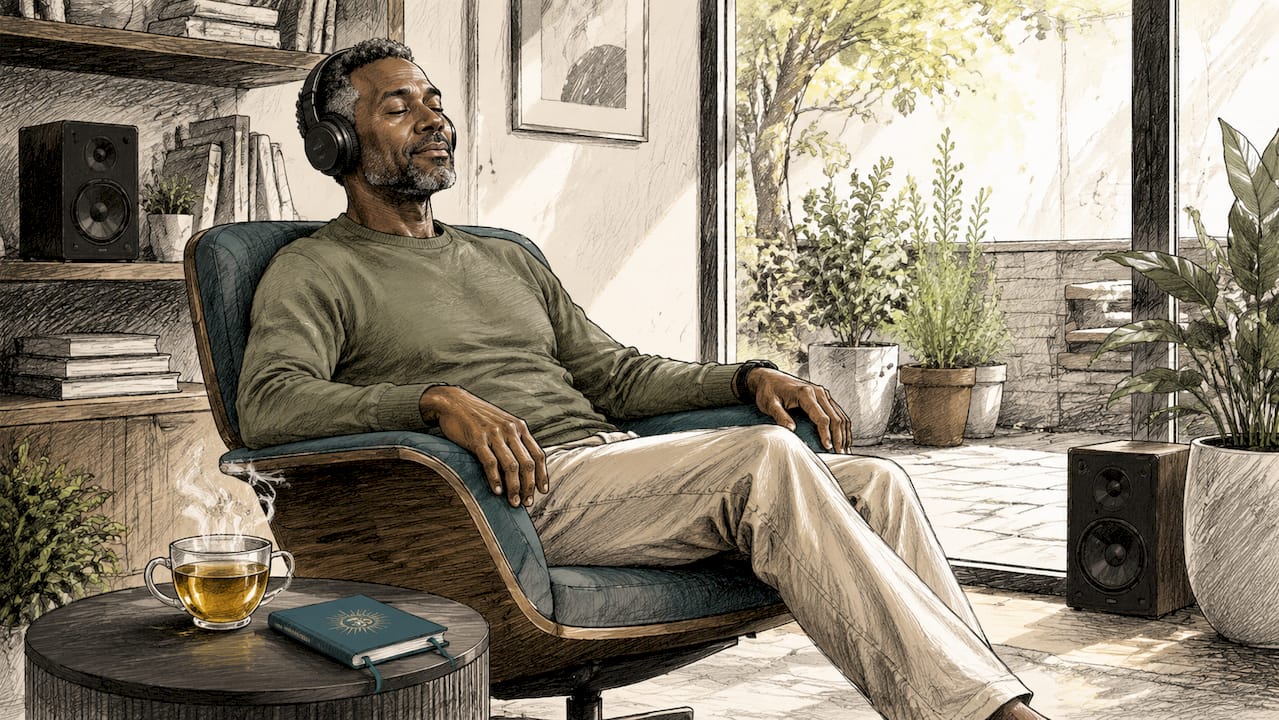
One practical detail that surprises many people: the 639 Hz frequency does not require headphones to be effective. Unlike binaural beats, which depend on each ear receiving a slightly different frequency, this is a pure tone that works perfectly well played through a speaker in an ambient setting. You can have it playing softly in a room while you journal, stretch, or simply sit with a cup of tea.
How does 639 Hz compare with other Solfeggio frequencies?
Placing 639 hertz within the broader Solfeggio scale helps you understand when to use it alone and when to combine it with other tones. Each frequency in the scale targets a distinct emotional or energetic area, and knowing the differences prevents the common mistake of using every frequency simultaneously and wondering why nothing seems to work.
The table below summarises the primary focus of five key Solfeggio frequencies and how each one complements 639 Hz when paired together.
| Frequency | Primary focus | How it complements 639 Hz |
|---|---|---|
| 396 Hz | Releasing guilt and fear | Clears emotional blocks before heart-centred work begins |
| 432 Hz | Natural tuning and grounding | Grounds the body, making emotional openness feel safer |
| 528 Hz | Repair and transformation | Supports cellular healing alongside emotional connection |
| 639 Hz | Heart chakra and relationships | The central frequency for empathy and relational harmony |
| 963 Hz | Spiritual integration | Expands awareness after emotional processing is complete |
The most effective approach is sequential rather than simultaneous. Begin a session with 396 Hz to release tension, move to 639 Hz for heart-centred work, and close with 963 Hz if spiritual integration is your goal. Pairing these frequencies for specific emotional and energetic outcomes is a well-established practice among sound healing practitioners.
A tuning fork 639 Hz is another option worth considering for focused personal sessions. A calibrated tuning fork struck and held near the body produces a direct, unmediated experience of the frequency. It is a different sensation from listening through speakers or headphones, more physical and immediate. Many practitioners use both: ambient recordings for daily background listening and a tuning fork 639 Hz for more intentional, focused work.
For a thorough grounding in healing frequency methods, it helps to understand how the full Solfeggio system was reconstructed from Gregorian chant traditions and why each tone carries its specific associations. The history is genuinely fascinating and adds depth to the practice.
Common misconceptions about 639 Hz sound healing
The biggest mistake beginners make is treating 639 Hz like a vending machine. They press the button, wait thirty seconds, and feel disappointed when nothing dramatic happens. Sound acts as a gentle catalyst requiring patient receptivity, not active searching for results. Expecting immediate transformation is the surest way to miss the actual, quieter benefits that accumulate over weeks.
Several other misconceptions regularly derail people who are otherwise genuinely committed to the practice:
- “I need to focus intensely on the sound to get results.” The opposite is true. Over-focusing on the frequency is counterproductive. The nervous system entrains most effectively when you are relaxed and not mentally grasping for an outcome.
- “Feeling emotional means the session is going badly.” Unexpected emotions surfacing during a 639 Hz session are a sign of healthy parasympathetic activation, not a problem. Stopping the session at this point is like leaving a physiotherapy appointment the moment the muscle starts to release.
- “I need expensive headphones or specialist equipment.” The frequency works in ambient settings without headphones. A decent speaker at a comfortable volume is sufficient for most people’s daily practice.
- “More is better.” Longer sessions do not produce proportionally greater benefits. The nervous system has a natural saturation point, and pushing past it tends to produce fatigue rather than healing.
Pro Tip: If you find yourself clock-watching during a session, the setting is wrong rather than the frequency. Adjust your environment until the ten minutes feel genuinely restful, not like a chore you are ticking off a list.
Patience is not a passive quality in this context. It is an active choice to trust a process that works gradually and cumulatively. The people who report the most meaningful results from sound therapy 639 Hz are, almost without exception, the ones who made it a quiet, unremarkable part of their daily routine rather than a special event.
Key takeaways
639 hertz is the Solfeggio frequency most directly linked to emotional healing and relationship harmony, and its benefits accumulate through consistent, passive listening rather than intense or forced engagement.
| Point | Details |
|---|---|
| Parasympathetic activation | 639 Hz engages the rest-and-digest nervous system, reducing emotional reactivity over time. |
| Passive listening works best | Allow the frequency to play in the background; over-focusing reduces its effectiveness. |
| Pair with complementary tones | Combining 639 Hz with 396 Hz and 528 Hz creates a more complete emotional healing session. |
| Emotional release is normal | Unexpected feelings during sessions signal healthy processing, not a problem to stop. |
| No headphones required | This pure tone works effectively through ambient speakers, unlike binaural beats. |
Why I think most people use 639 Hz the wrong way
I have spent years working with orchestral meditation music and watching how people approach frequency-based sound healing. The pattern I see most often is this: someone discovers 639 Hz, listens intently for a week, decides it is not working, and moves on to the next thing. It is a bit like planting a seed, staring at the soil for seven days, and concluding that gardening is a myth.
The composers whose work I find most instructive in this area are Robert Emery and Moritz Schneider. Their approach to embedding Solfeggio frequencies within full orchestral arrangements is genuinely different from the bare-tone recordings that dominate most frequency healing content. Emery, a composer and producer with deep roots in classical and contemporary music, and Schneider, whose background spans both composition and sound design, understand that the nervous system responds to emotional and musical context, not just raw frequency data. Their recordings, produced at Abbey Road Studios with the National Philharmonic, wrap the 639 Hz tone inside music that is itself emotionally resonant. The result is that the frequency does its work without the listener having to consciously manage the experience.
What I have found, both personally and through observing others, is that the most effective use of 639 Hz is almost embarrassingly simple. Play it softly while you write in a journal. Let it run in the background during a quiet evening. Use it as the soundtrack to a slow morning rather than a dedicated meditation session. The nervous system entrains naturally without conscious mental effort when the conditions are right. You do not need to do anything heroic.
The one thing I would genuinely encourage you to try is pairing 639 Hz with a brief journalling practice. Write about a relationship that feels strained, or a feeling you have been avoiding. The frequency creates a kind of emotional permission slip. Things that felt too raw to examine directly become slightly more accessible. It is not magic. It is just a very well-tuned nudge.
— ROBERT
Orchestralmeditations: meditation music rooted in healing frequencies
If you want to experience 639 Hz within a genuinely musical context rather than a bare sine wave, Orchestralmeditations offers a curated library of recordings built around exactly this approach.
Composers Robert Emery and Moritz Schneider have crafted orchestral meditation music that weaves Solfeggio frequencies, including the 639 Hz heart chakra tone, into full arrangements recorded at Abbey Road Studios. The result is sound healing that actually sounds beautiful, which makes consistent daily listening far easier to maintain. Browse the meditation music library to find tracks designed for emotional balance, relationship harmony, and deep relaxation. For those who want a more personal fit, the personalised meditation music selection helps you find the right frequency combination for your specific emotional goals.
FAQ
What is 639 hertz used for in sound healing?
639 hertz is used to support emotional balance, heart chakra alignment, and relationship harmony. It activates the parasympathetic nervous system, promoting relaxation and improved empathy.
How long should a 639 Hz session last?
Practitioners recommend sessions of 5–10 minutes with rhythmic breathing, repeated consistently rather than extended into long single sittings.
Do I need headphones to benefit from 639 Hz?
No. Unlike binaural beats, 639 Hz is a pure tone that works effectively through ambient speakers in a living or workspace without headphones.
Can I combine 639 Hz with other Solfeggio frequencies?
Yes. Pairing 639 Hz with 417 Hz and 528 Hz creates a balanced sound healing session that addresses emotional clearing, transformation, and heart-centred connection together.
Why do I feel emotional during a 639 Hz session?
Unexpected emotions during a session indicate that the parasympathetic nervous system is processing suppressed feelings. This is a normal and healthy part of the healing process, not a sign to stop.