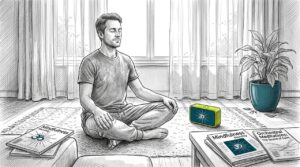
There’s something almost rebellious about the idea that lying down, closing your eyes, and pressing play on the right piece of music could genuinely shift your physiology. It sounds too easy, doesn’t it? Yet music and mindfulness together have been shown to meaningfully reduce symptoms of anxiety and depression, which rather takes the wind out of the sails of anyone who thinks healing has to be complicated. The truth is, meditation music works through well-documented biological mechanisms, not magic, and the evidence base is growing impressively fast. In this guide, we’ll walk through the science, the proven benefits, the practical methods, and, crucially, the bits most articles quietly skip over: the risks and limitations.
Key Takeaways
| Point | Details |
|---|---|
| Music alters mind-body state | Meditation music directly shifts brainwaves and activates the body’s relaxation response. |
| Short-term benefits proven | Empirical studies confirm improved mood, reduced anxiety, and enhanced sleep in the short term. |
| Methods matter for results | Live sessions, receptive formats, and patient-preferred tracks achieve deeper healing and greater connection. |
| Monitor risks and limits | Sound healing is safe for most, but screening for contraindications and guidance from professionals is essential. |
| Ongoing practice sustains effects | Regular, repeated meditation music sessions are needed to maintain healing benefits over time. |
The scientific foundations: how meditation music drives healing
Let’s start with the bit that makes sceptics raise an eyebrow. How on earth does a piece of music actually heal anything? The answer lies in a process called brainwave entrainment, which is the brain’s tendency to synchronise its electrical activity with rhythmic external stimuli. Think of it like your foot tapping along to a beat without you deciding to do it. Your brain does something similar, only instead of tapping, it adjusts its dominant frequency to match the rhythm or tone of what it’s hearing.
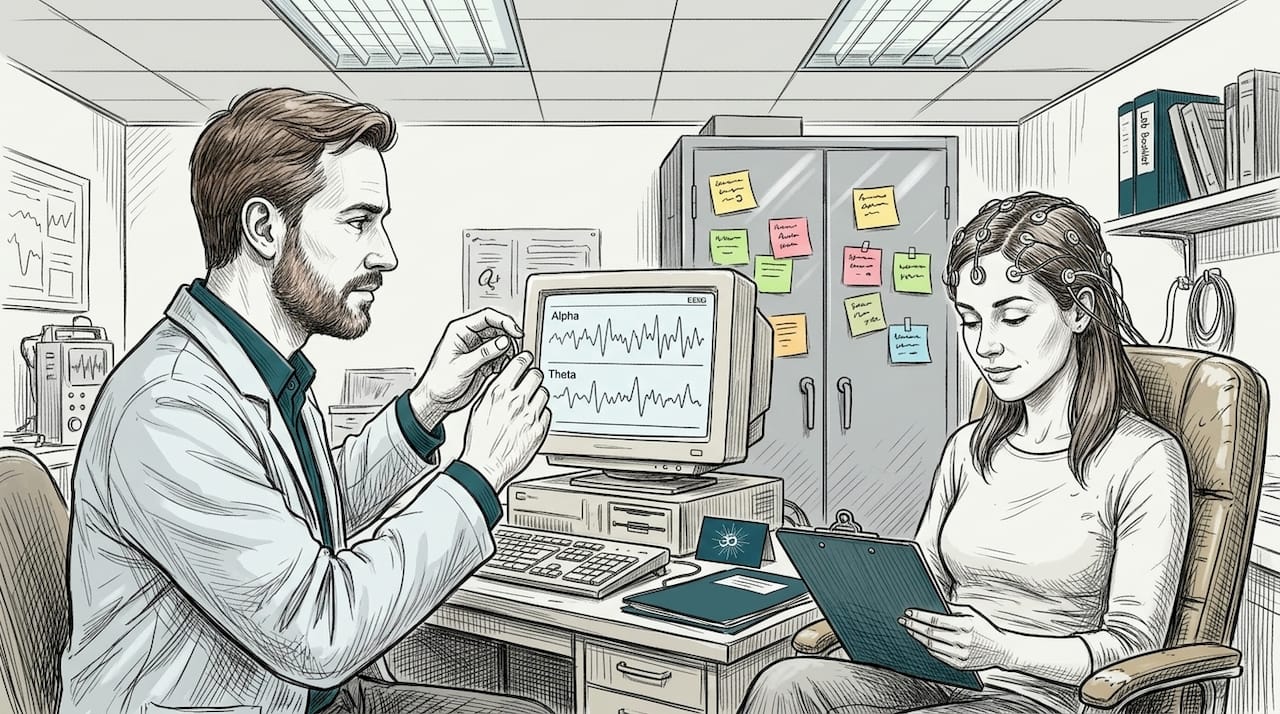
When you listen to certain types of meditation music, such as those incorporating singing bowls or gongs, your brainwaves can shift from the busy, chattering beta state (think: mentally drafting your shopping list at 11pm) into the calmer alpha or theta states. Alpha is that lovely floaty feeling you get just before a nap. Theta is deeper still, associated with creativity, insight, and genuine meditative absorption. That shift matters enormously for both mental and physical wellbeing.
The parasympathetic nervous system also gets a proper look-in here. This is your body’s “rest and digest” mode, the opposite of the adrenaline-fuelled fight-or-flight response most of us spend far too much time stuck in. Sound therapy entrains brainwaves from beta to alpha and theta while simultaneously activating this parasympathetic response, measurably improving heart rate variability (HRV). HRV, for those unfamiliar, is a reliable marker of how well your nervous system is coping with stress.
Then there’s the hormonal dimension. Regular meditation music practice has been linked to reductions in cortisol, the stress hormone that, in excess, is essentially a slow drip of damage to your immune system, sleep quality, and mood. Lower cortisol, better mood. Simple arithmetic, really.
Here’s a quick comparison of the main brainwave entrainment tools used in meditation music:
| Tool | Primary frequency effect | Common format | Ease of access |
|---|---|---|---|
| Singing bowls | Alpha/theta | Live or recorded | Moderate |
| Gongs | Theta/delta | Live sound bath | Lower (specialist) |
| Solfeggio frequencies | Varies by tone | Digital tracks | High |
| Binaural beats | Alpha/theta/delta | Digital (headphones) | High |
| Orchestral compositions | Alpha/theta | Live or recorded | High |
The key benefits operating through these mechanisms include:
- Reduced cortisol and stress hormone output
- Improved heart rate variability and parasympathetic activation
- Brainwave shifts into restorative alpha and theta states
- Enhanced mood through endorphin and serotonin modulation
- Improved focus and emotional regulation with regular practice
The healing power of music is not a soft, hand-wavy idea. It’s measurable, and the measurement tools are getting better every year.
Proven therapeutic benefits: what the research reveals
Right, so the mechanisms are compelling. But what does the research actually show in terms of real-world outcomes? Because mechanisms are one thing; clinical evidence is another.
A systematic review and meta-analysis of randomised controlled trials found significant reductions in anxiety, cortisol, tension, and depression, alongside improved sleep quality and overall mood in participants receiving music therapy. These weren’t tiny, poorly designed studies. These were randomised controlled trials, the gold standard of clinical evidence.
The numbers are rather striking. A recent meta-analysis found effect sizes for depression reaching SMD of -0.97, which is considered a strong effect in psychological research, alongside an anxiety effect size of g=0.357 and meaningful improvements in quality of life scores. For context, many pharmaceutical interventions produce smaller effect sizes for mood disorders.
“The evidence base for music therapy is no longer tentative. Medium-to-strong effect sizes across depression, anxiety, and quality of life outcomes place it firmly in the conversation about evidence-based adjunctive care.”
Let’s break down the headline benefits across key health areas:
- Stress reduction Cortisol levels drop measurably after consistent meditation music sessions, with effects seen in as few as four weeks of regular practice.
- Improved mood and depression symptoms Strong effect sizes (SMD approaching -1.0) for depression make music therapy one of the more potent non-pharmacological interventions available.
- Sleep quality Participants in multiple trials reported significant improvements in sleep onset and duration, with calming frequencies appearing particularly effective.
- Anxiety management Both state anxiety (in-the-moment worry) and trait anxiety (your baseline anxious temperament) show meaningful reductions with regular music-based interventions.
- Blood pressure and cardiovascular response Some audio healing techniques have demonstrated modest but consistent reductions in blood pressure, likely via parasympathetic activation.
The data on frequency meditation techniques specifically, such as solfeggio frequencies and binaural beats, is still maturing, but early findings are encouraging and consistent with the broader music therapy literature. For sleep specifically, music for sleep healing represents one of the most practically accessible entry points for new practitioners. Research consistently suggests that even simple, self-directed music listening before bed can meaningfully improve sleep quality without any side effects. That’s an extraordinary return for pressing play.
You can also explore music therapy for depression more thoroughly through clinical resources that break down the range of approaches and what they target.
Methods and practice: sound baths, frequencies, live and virtual sessions
Knowing the benefits is one thing. Actually building a practice that delivers them is another matter entirely. The good news is that the range of formats is genuinely wide, and there’s something here for almost every personality type, budget, and schedule.
The core modalities used in meditation music healing include:
- Singing bowls Tibetan and crystal bowls produce sustained tones rich in overtones that facilitate alpha and theta brainwave states. They’re particularly effective in a live group setting.
- Gongs Loud, immersive, and occasionally a little alarming if you’re not expecting it, gong baths create a full-body sonic experience that many practitioners describe as deeply restorative.
- Binaural beats These require stereo headphones and work by presenting slightly different frequencies to each ear, encouraging the brain to produce a third, internal frequency in the gap between them. Clever, and surprisingly effective.
- Solfeggio frequencies These are specific tonal frequencies (396 Hz, 528 Hz, 741 Hz, and others) with traditional associations to healing and emotional release. Sound baths and binaural beats and solfeggio formats are the most widely studied in current clinical literature.
- Orchestral and ensemble music The richness of live instrumentation adds an emotional dimension that purely digital formats often can’t replicate.
In terms of formats, you’re broadly choosing between live group sessions, one-to-one sessions with a practitioner, and self-directed home practice using recorded tracks. Live sessions offer something recordings genuinely can’t: social connection, the subtle energy of shared experience, and the immediate responsiveness of a trained practitioner who can adjust the session in real time.
For session length, optimal practice runs between 20 and 60 minutes, with daily or weekly consistency producing the most reliable benefits. A 20-minute session three times a week is a perfectly reasonable starting point for most people.
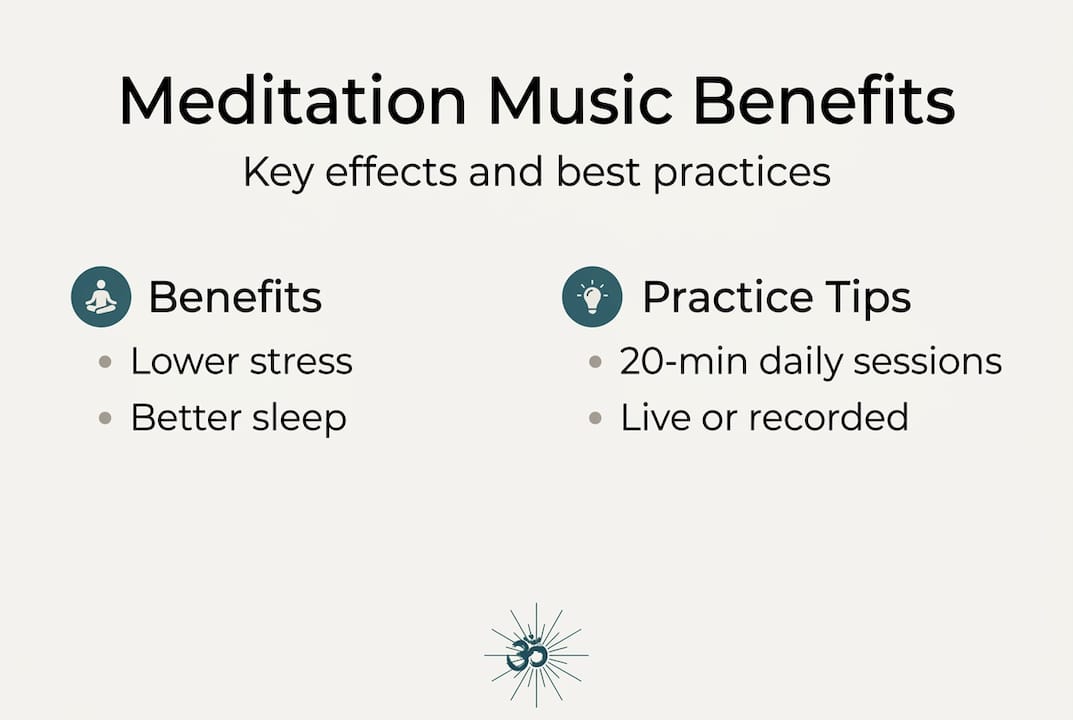
One thing the research is quite clear about: patient-preferred music outperforms prescribed music in therapeutic outcomes. If you find orchestral music moving and calming, lean into that. If ambient electronic textures do it for you, that’s equally valid. The benefits of healing frequencies are amplified when the music itself resonates with you personally.
Pro Tip: Start with a consistent 20-minute daily session of your preferred meditation music format before experimenting with longer or more intensive practices. Consistency matters more than duration in the early stages.
Virtual sessions via video call have also proven surprisingly effective for those without access to local practitioners, though the consensus is that live formats retain an edge for emotional connection and depth of experience. Explore what healing music benefits look like across different formats before settling on just one.
Nuances, risks and limitations: what most people miss
Here’s the part that most wellness articles quietly sidestep, presumably because it’s less fun to talk about than theta waves and emotional breakthroughs. But honestly, skipping this section would be doing you a disservice.
The first important nuance is that many of the benefits are short-term without ongoing practice. A study on fibromyalgia patients, for instance, found that improvements in pain and wellbeing faded within three months of stopping regular sessions. Benefits may diminish over time without consistent engagement, and live formats with trained therapists tend to produce stronger and more lasting outcomes than self-directed practice alone.
There are also genuine contraindications that anyone entering this space should be aware of. Sound therapy carries specific risks for people with the following conditions:
- Epilepsy Certain rhythmic frequencies can trigger seizures in susceptible individuals.
- Pacemakers Electromagnetic components in some sound therapy equipment may interfere with pacemaker function.
- Pregnancy Some frequencies and intensities are not recommended, particularly in the first trimester.
- PTSD Deeply immersive sound experiences can trigger emotional flashbacks or overwhelm without proper practitioner support.
- Tinnitus Certain high-frequency tones may exacerbate symptoms significantly.
Common side effects that even healthy individuals sometimes experience include headaches (often from too-loud or too-long initial sessions), mild dizziness, unexpected emotional release (which can catch people entirely off guard), and fatigue following intensive sessions. None of these are dangerous in themselves, but they’re worth knowing about so you’re not blindsided.
Pro Tip: If you have any underlying health condition, please consult your GP or relevant medical professional before beginning a sound therapy or meditation music practice. This isn’t just boilerplate caution. It genuinely matters.
For deeper healing music guidance and a look at the scientific approach behind responsibly crafted meditation music, it’s worth exploring the research behind specific formats before committing to a method. And if you want an honest overview of where music therapy’s limits lie, this music therapy limits resource is a solid place to look.
Our perspective: why healing music works—if you use it wisely
We’ll be honest with you: the wellness world has a complicated relationship with nuance. There’s a tendency to either write off meditation music as glorified background noise, or to oversell it as a cure-all that renders conventional medicine optional. Both positions are, to put it diplomatically, a bit silly.
Here’s what years of working with orchestral healing music has taught us. Music therapy is most powerful when it’s used as an adjunct, meaning alongside other care, not instead of it. The research supports this firmly: holistic healing is best achieved when music complements medical care rather than replacing it. This isn’t a limitation of music therapy. It’s actually a strength, because it means there’s almost no situation where thoughtfully chosen meditation music can’t contribute positively.
What most popular advice gets wrong is the assumption that any meditation music will do. It won’t. Patient preference matters enormously. A practitioner who doesn’t screen for contraindications is cutting corners. And someone who expects three sessions to fix a decade of chronic stress is going to be disappointed. Transformative healing music takes time, consistency, and a degree of honest self-reflection about what you’re trying to achieve.
We’d also gently push back on the idea that recorded, digital formats are equivalent to live orchestral experience. The harmonic complexity of live instruments, particularly those captured with specialist meditation instruments and real acoustic resonance, carries a richness that no synthesiser has quite managed to replicate. Use recordings as a daily practice tool, absolutely. But don’t underestimate what live music adds to the experience.
Explore orchestral meditation music: your next step in sound healing
If the research in this guide has sparked something in you, the most natural next step is simply to listen. Not to any playlist, but to music crafted with genuine intention, recorded with professional musicians, and designed with the science of healing frequencies in mind.
At Orchestral Meditations, our library brings together orchestral meditation music recorded at Abbey Road Studios with the National Philharmonic, incorporating binaural beats, theta frequencies, and 3D surround sound designed to guide you into genuine meditative states. Every track is built on the same evidence base we’ve explored in this guide. If you’re ready to experience the difference between meditation music and great meditation music, explore our curated meditation collection or discover why orchestral formats outperform digital for deep healing. Your nervous system will thank you.
Frequently asked questions
How does meditation music influence brainwaves and relaxation?
Meditation music shifts brainwaves from the active beta state into calmer alpha and theta states, simultaneously activating the parasympathetic nervous system to lower heart rate, reduce cortisol, and promote deep relaxation.
What types of meditation music are most effective for healing?
Receptive formats such as singing bowls, gongs, solfeggio frequencies, and patient-selected music consistently produce the strongest outcomes, particularly when delivered by a trained practitioner in a live or semi-live setting.
Are there risks or medical conditions that restrict music-based healing?
Yes. Contraindications exist for epilepsy, pacemakers, pregnancy, PTSD, and tinnitus, among others. Always consult a medical professional before beginning sound therapy if you have any underlying health condition.
How long do the benefits of meditation music last?
Benefits can be short-lived without ongoing practice. For example, fibromyalgia improvements observed during active treatment were found to fade within three months of stopping, underscoring the need for a sustained, consistent practice rather than a one-off experience.