TL;DR:
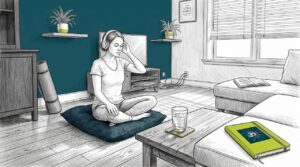
- Relaxation music activates the parasympathetic nervous system, reducing stress hormones and improving sleep.
- Slow, familiar, instrumental music with a tempo of 60–80 bpm is most effective for calming effects.
- Personal preference and mindful listening are key for optimal benefits and avoiding stress-inducing choices.
Most of us have, at some point, dismissed relaxation music as little more than fancy background noise — the sonic equivalent of a scented candle. Nice, perhaps, but hardly serious. Yet meta-analyses show that relaxation music measurably reduces cortisol levels, lowers heart rate, and improves heart rate variability. That is not a placebo. That is your nervous system responding to sound in ways that genuinely matter for your health. In this article, we will walk through the science, the musical ingredients that make it work, the real-world benefits, and the honest limitations. By the end, you will have everything you need to use relaxation music as a proper wellness tool rather than just pleasant wallpaper.
Key Takeaways
| Point | Details |
|---|---|
| Physiological stress relief | Relaxation music fosters lower cortisol, heart rate, and blood pressure, providing measurable stress reduction. |
| Optimal musical traits | Slow tempo, instrumental melodies, and familiar genres enhance relaxation and engagement. |
| Sleep and mood benefits | Listening to relaxation music can improve sleep quality, lower anxiety, and boost mood, according to research. |
| Personalisation matters | Adapting music to your preferences maximises its positive impact and avoids pitfalls. |
| Practical empowerment | Mindfully using relaxation music is a simple, accessible tool for regular self-care and holistic well-being. |
The science behind relaxation music
Let’s start with the biology, because this is where things get genuinely fascinating. When you listen to slow, calming music, your body does not simply feel a bit nicer. It shifts into a different physiological state. Specifically, relaxation music activates the parasympathetic nervous system — the branch responsible for rest and recovery — which is why music and stress research consistently records reductions in cortisol, systolic blood pressure, and heart rate, alongside improvements in heart rate variability.
The brain pathways involved are equally impressive. Music engages the auditory-limbic pathway, triggering the release of dopamine and endorphins in the brain’s reward centres. It also modulates the hypothalamic-pituitary-adrenal (HPA) axis, which is the system that governs your stress hormone response. Think of the HPA axis as the body’s internal alarm system. Calming music, in effect, tells it to stand down. Neurobiological research shows music activates the ventral tegmental area and nucleus accumbens, increases GABA (a calming neurotransmitter), reduces glutamate, and upregulates neuroprotective genes linked to BDNF — a protein that supports neuroplasticity and brain health.
That last point is worth pausing on. Neuroplasticity means your brain can actually change and adapt. Regular engagement with calming music may, over time, support healthier neural pathways. It is not a magic cure, but it is a genuinely non-invasive tool with measurable impact.
For those who enjoy stress relief music insights, here is a summary of the key physiological outcomes the research supports:
| Physiological measure | Direction of change | Notes |
|---|---|---|
| Cortisol levels | Decrease | Strongest with slow, familiar music |
| Heart rate variability (HRV) | Increase | Indicates improved autonomic balance |
| Systolic blood pressure (SBP) | Decrease | Short-term reductions of 6–10 mmHg |
| Sleep latency | Decrease | Faster time to fall asleep |
| Sleep efficiency | Increase | More time spent in restorative sleep |
“Music is one of the most accessible, non-invasive tools we have for shifting the body’s stress response. Its effects are not imagined — they are measurable, repeatable, and increasingly well understood.”
The tempo, melody, and familiarity of music all play a role in how strongly these effects are felt. We will get into those specifics next.
Musical characteristics essential for relaxation
Not all music is created equal when it comes to relaxation, and this is where a lot of people go wrong. Sticking on a random playlist and hoping for the best is a bit like asking someone to cook you a calming meal and being handed a chilli. Intention matters.
Sedative music is consistently the strongest predictor of relaxation outcomes in research. The key characteristics that define it include:
- Slow tempo: 60–80 beats per minute mirrors the resting heart rate, encouraging the body to synchronise with the music’s rhythm through a process called audiomotor synchronisation
- Soft, smooth melodies: Harsh timbres or sudden dynamic shifts can trigger alertness rather than calm
- Instrumental composition: Lyrics engage the language-processing brain, which competes with relaxation; purely instrumental music removes that cognitive load
- Simple harmonic structure: Complex chord progressions can create tension rather than release it
- Familiarity: Music you already know and enjoy activates the brain’s reward system more efficiently, deepening the relaxation response
For a deep relaxation music guide, genre matters too. Here is how the main options compare:
| Genre | Relaxation effectiveness | Notes |
|---|---|---|
| Classical | High | Slow movements particularly effective |
| New age / ambient | High | Designed specifically for calm |
| Self-selected familiar music | High | Personal engagement boosts response |
| Heavy metal / fast-paced pop | Low | Tends to increase arousal, not reduce it |
The tempo point deserves a little more emphasis. At 60–80 bpm, music essentially invites your cardiovascular system to slow down and match it. This is not metaphorical. It is a physiological process, and it is one reason why orchestral slow movements and ambient compositions tend to outperform upbeat genres in clinical relaxation studies.
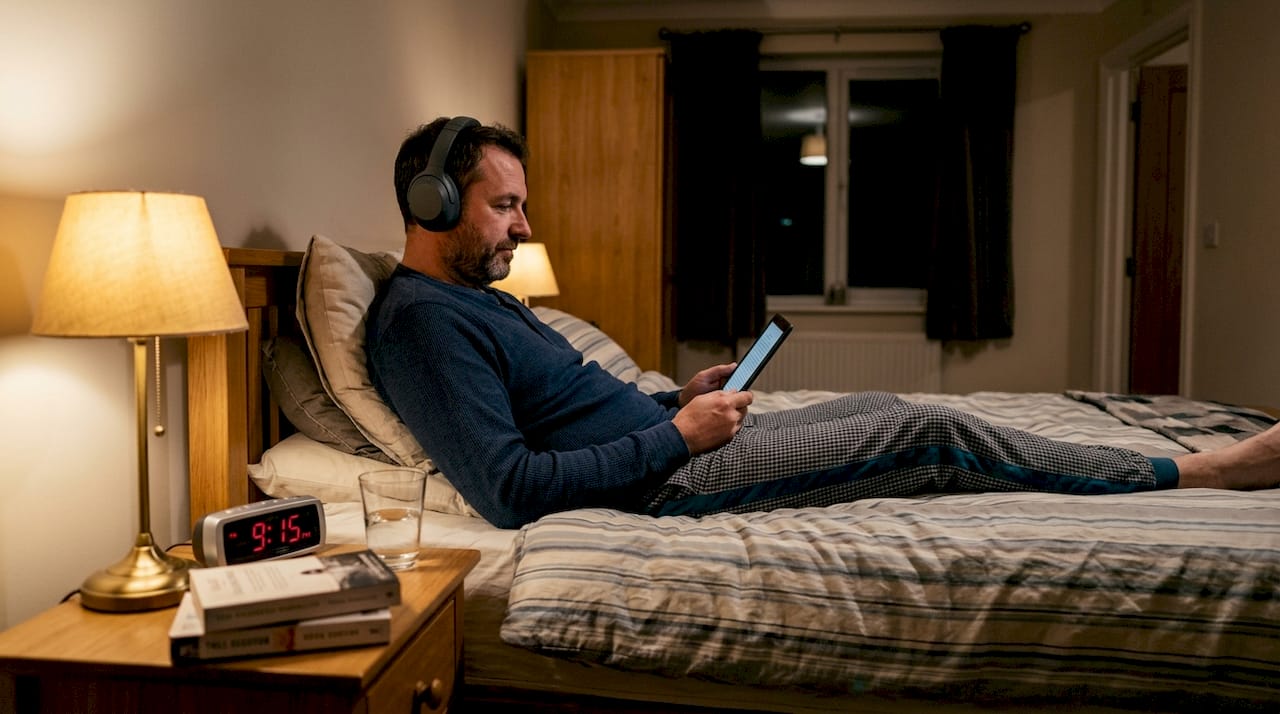
Pro Tip: Listen to calming music for 30–45 minutes before bed. Research suggests this window is optimal for priming the nervous system for sleep, reducing the time it takes to drift off and improving overall sleep quality.
Proven benefits: from stress relief to sleep quality
So we know how relaxation music works. Now let’s look at what it actually delivers, because the evidence here is rather compelling.
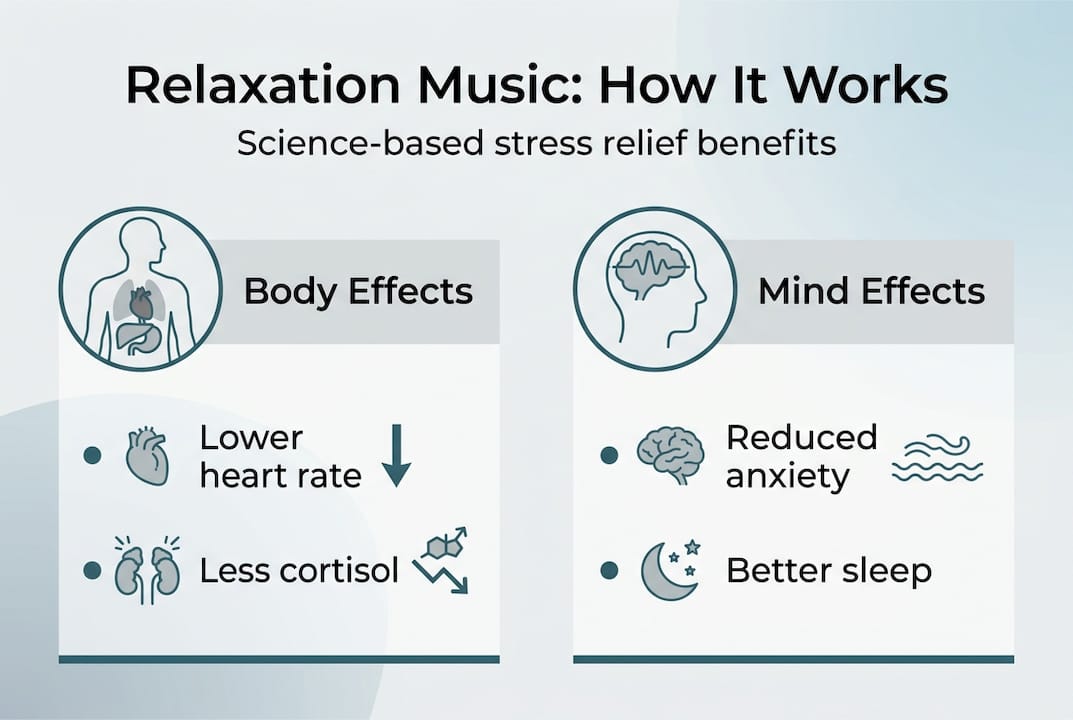
Sleep is perhaps the most well-documented benefit. Meta-analyses confirm that music interventions improve sleep quality as measured by the Pittsburgh Sleep Quality Index (PSQI), with a mean difference of minus 2.79 points (95% CI: minus 3.86 to minus 1.72). To put that in plain terms: a PSQI reduction of 2.79 is clinically meaningful and represents a real improvement in how well people sleep. Music also reduces sleep latency (the time it takes to fall asleep) and increases sleep efficiency (the proportion of time in bed actually spent sleeping). You can explore more about relaxing sleep music if this is your primary goal.
Beyond sleep, the benefits extend across a broad wellness spectrum:
- Stress reduction: Cortisol and blood pressure both drop with regular listening
- Anxiety relief: Significant reductions recorded in clinical settings, including cancer patients undergoing chemotherapy
- Mood improvement: Particularly notable in emotionally challenging circumstances
- HRV enhancement: Improved autonomic nervous system balance, a key marker of resilience
- Self-transcendence: Music that produces chills (known as frisson) has been linked to heightened states of insight and emotional openness
For those integrating music into a mindfulness music benefits practice, the research on meditation is particularly encouraging. Live and virtual music mindfulness sessions produce acute HRV enhancements, and music that induces chills predicts gains in self-transcendence and mood. Combined with vibration or somatic practices, music has also shown reductions in acute cortisol responses.
The picture that emerges is of a tool that works across multiple dimensions of wellness simultaneously. Not bad for something you can access through a pair of headphones.
Nuances and limitations: personalisation, edge cases and risks
Here is the honest part, because good wellness advice should never skip the caveats. Relaxation music is not a universal fix, and pretending otherwise would do you a disservice.
The single most important variable is personalisation. Individual differences in music absorption, familiarity, and preference significantly shape outcomes. Calm music in a major key tends to outperform minor mode compositions for most people, but your own relationship with a piece of music matters enormously. A track that sends one person into blissful calm might leave another completely unmoved.
There are also genuine risks and evidence gaps worth knowing about. Wrong music choices — unfamiliar, jarring, or emotionally charged tracks — can actually increase stress rather than reduce it. Some studies show no objective changes in sleep physiology despite participants reporting better sleep, which raises interesting questions about perceived versus measured benefit. Long-term outcome data is also thin, and much of the existing research carries heterogeneity and publication bias concerns that lower overall certainty.
Here is a practical approach to personalising your listening and avoiding the common pitfalls:
- Start with classical or new age: These genres have the strongest evidence base and are least likely to trigger unwanted emotional associations
- Choose familiar tracks: Music you already know engages the reward system more reliably than something entirely new
- Monitor your own response: If a track makes you feel more tense, switch it. Your body’s reaction is the most reliable data you have
- Avoid emotionally loaded music: A song tied to a difficult memory is not a relaxation tool, regardless of its tempo
- Layer with other practices: Music works best as part of a broader routine, not as a standalone solution
For those interested in the deeper mechanics of sound, exploring sound frequencies for relaxation can add another layer of intentionality to your practice.
Pro Tip: Start with calming classical or new age tracks and pay close attention to your own physiological response. Slower breathing and a sense of physical heaviness are good signs the music is working.
A fresh perspective: relaxation music as personal empowerment
Here is something conventional wellness advice tends to miss. Most people treat relaxation music as passive — something that happens to you while you sit quietly. But that framing undersells it considerably. The real power of relaxation music lies in what it teaches you about self-regulation.
When you consciously choose music that shifts your nervous system, you are exercising agency over your own physiological state. That is not a small thing. In a world where stress often feels entirely outside your control, having a tool that reliably moves you toward calm is genuinely empowering. Personalised engagement with familiar, preferred music optimises the benefits precisely because it involves active choice, not passive reception.
The common misunderstanding is that any relaxation music will do. It will not. Mindful, conscious listening — choosing the right music for your current state, attending to how your body responds, and unwinding with meditation music as part of a deliberate routine — is where the lasting benefits live. Pair it with breathwork, movement, or journalling, and you have something genuinely powerful.
Explore curated relaxation music for your wellness journey
If you have made it this far, you are clearly serious about using music intentionally for your wellbeing. That is exactly the kind of listener we create for at Orchestral Meditations.
Our library, recorded at Abbey Road Studios with the National Philharmonic, spans orchestral compositions, solfeggio frequencies, binaural beats, and theta frequency soundscapes — all crafted with the science of relaxation in mind. Whether you are looking for personalised meditation music tailored to your needs or want to browse our full English meditation music catalogue, you will find recordings designed to do exactly what this article describes: shift your nervous system, support your sleep, and give you back a sense of calm.
Frequently asked questions
How quickly does relaxation music reduce stress?
Relaxation music can lower cortisol and heart rate within minutes, with acute SBP reductions of around 6–10 mmHg recorded in short-term listening sessions. The strongest effects tend to occur within the first 30–45 minutes.
What is the ideal tempo for relaxation music?
Research points to 60–80 bpm as the sweet spot, as this range mirrors the resting heart rate and encourages the body to synchronise with the music’s rhythm.
Can relaxation music help with sleep problems?
Meta-analyses confirm that music interventions improve sleep quality scores, reduce the time it takes to fall asleep, and increase the proportion of time spent in restorative sleep.
Are there risks to using relaxation music?
If the music is unfamiliar or emotionally charged, it can increase stress rather than reduce it, and long-term evidence remains limited with individual differences playing a significant role.
Which genres are best for relaxation and meditation?
Classical, new age, and self-selected familiar tracks consistently outperform high-energy genres, with calm music in a major key showing particularly strong results across multiple studies.