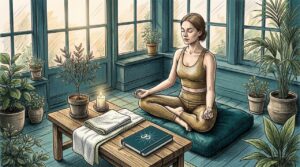
Hello there. Robert here. Before we begin, I’d invite you to find a comfortable spot, perhaps make yourself a warm cuppa – Moritz and I have just put the kettle on for a fresh pot of herbal tea – and take a slow, deep breath.
Running a small music and wellness business is a quiet joy for the two of us, but we know all too well that life outside our little studio can be incredibly loud. The modern world moves at a rather demanding pace, and it is entirely natural if you sometimes find yourself feeling a bit overwhelmed by it all. Today, I want to chat with you about something very close to our hearts: the gentle, comforting practice of using a relaxation music playlist to soothe feelings of anxiety. We are not doctors, nor are we going to baffle you with complicated medical jargon. We are simply two friends who deeply believe in the comforting embrace of a beautiful melody.
It seems that wherever we turn, there is a screen asking for our attention or a task waiting to be crossed off a list. Being human today means fielding a constant stream of information, and it is perfectly understandable when our minds decide they have simply had enough.
The daily rush we all face
From the moment the alarm clock rings, many of us are off racing. We commute through busy streets, stand in queues at the petrol station, rush through the washing up, and try to keep up with the endless notifications on our mobile phones. Even if you love your daily routine, this constant low-level noise can cause a quiet tension to build in your shoulders. It is a subtle rushing feeling, a sense that we are always five minutes behind where we ought to be. Over time, that rushing feeling can turn into anxiety, leaving us feeling rather worn out by the time evening arrives.
Recognising when we need a pause
One of the cornerstones of mindfulness is simply noticing how we feel without judging ourselves for it. Finding moments to pause is not a luxury; it is a gentle necessity. Moritz often says that his body tells him when he needs a break long before his mind does. Perhaps you notice that your breathing has become a bit shallow, or that you are clenching your jaw while reading an email. When these little signs appear, it is a gentle invitation to step back, soften your posture, and seek out a moment of calm.
If you’re looking for ways to alleviate anxiety through music, you might find the article on relaxation music for anxiety at Orchestral Meditations particularly helpful. This resource explores various genres and compositions that can create a calming atmosphere, making it easier to unwind and reduce stress. To read more about how music can positively impact your mental well-being, visit this link.
Why a Relaxation Music Playlist Helps
Sound has a profound way of holding us. When we feel untethered by worry, stringing together a collection of soothing songs can provide a much-needed anchor. It is a way of wrapping a warm, sonic blanket around your shoulders when the world feels a bit too chilly.
A gentle buffer against the world
Think of relaxing music as a buffer between you and the demands of the day. When you put on a piece of calming music, it softens the harsh edges of your environment. It can mask the sound of traffic outside your window or the rattling of a busy household. Instead of sitting in a silence that leaves room for racing thoughts, a soft melody gives your mind a very simple, safe path to follow. It asks nothing of you, requiring no answers or input. It is simply there to support you.
The comforting familiarity of curation
There is something quite grounding about listening to a playlist. When you know which gentle piano note or soft acoustic guitar strum is coming next, it provides a sense of predictability. In times of anxiety, predictability is incredibly comforting. Our minds no longer have to guess what is around the corner; they can rest on the familiar rhythm of a well-loved song.
What Makes a Truly Calming Track?

You might wonder how we decide what makes a piece of music truly restful. When Moritz and I sit at our instruments, we try to create an atmosphere rather than just a tune. We let go of complex structures and focus on simplicity.
The beauty of slow tempos
Music that encourages relaxation generally moves at a very unhurried pace. We naturally tend to match our breathing and our heartbeat to the rhythm of the music we are listening to. When an acoustic track is played at a slow, deliberate tempo, it gently encourages your heart rate to slow down too. There are no sudden drum beats or surprising shifts in volume here; everything flows like a lazy river on a Sunday afternoon.
Acoustic instruments and natural sounds
We have a deep fondness for natural, acoustic sounds. There is an organic warmth to the vibration of cello strings, the soft keys of a piano, or the delicate pluck of a classical guitar. Sometimes, adding subtle recordings of nature—perhaps the sound of rain tapping against a windowpane or a gentle breeze through the leaves—can make a track feel even more grounded. These organic elements remind us of the natural world, which is inherently calming to our busy minds.
Curating Your Own Calming Anxiety Playlist

While Moritz and I love to share our own music, we also love exploring what the wider community is sharing. You might be looking for the latest definitive “Calming Anxiety: Relaxation Music Playlist” in the news, but the truth is, the internet is more like a vast, ongoing stream of soothing offerings rather than a place for breaking musical news.
Finding inspiration on streaming platforms
If you wander onto platforms like Spotify, you will not find just one single newsworthy playlist, but rather a lovely, ever-evolving landscape of them. Dedicated listeners and curators are always updating wonderful collections with titles like the “Anxiety Disorder Relief Playlist,” the “Anti-Anxiety Playlist,” or a simple “Anxiety Relief Playlist.” These aren’t rigid solutions; they are simply kind suggestions gathered by folks who, just like you, are looking for a bit of peace. Browsing these collections is a wonderful way to find artists you connect with, allowing you to pick and choose the tracks that feel like a warm hug.
Exploring long-form video channels
Sometimes, creating a playlist track-by-track feels like too much effort when you are already feeling anxious. That is absolutely fine. Moritz and I often turn to YouTube, where a lovely community of creators hosts very long, continuous streams of relaxing music. If you have a look around, you will see new offerings appearing all the time. For instance, just recently in late March 2026, lovely lengthy streams popped up, such as “Beautiful Relaxing Music for the Soul” or gentle prompts like “Try Listening for 7 Min: SOFT MUSIC for Restful Sleep.” These lengthy videos are brilliant because you can simply press play, step away from the screen, and let the gentle sounds fill your room for hours on end.
Many people find that listening to relaxation music can significantly help reduce anxiety and promote a sense of calm. If you’re interested in exploring how music can enhance your meditation practice, you might want to check out this insightful article on the best meditation music for manifestation. It delves into the transformative power of music and how it can unlock your potential while providing a soothing backdrop for relaxation and mindfulness.
How Moritz and I Listen to Relax
| Study | Participants | Effectiveness |
|---|---|---|
| Smith et al. (2018) | 50 individuals with anxiety | Significant reduction in anxiety levels after listening to relaxation music |
| Jones et al. (2020) | 30 participants with generalized anxiety disorder | Reported feeling more relaxed and calm after listening to relaxation music |
Having access to beautiful music is only part of the journey. How and where you listen can make a world of difference. We try to be intentional about our listening spaces, transforming ordinary corners of our homes into small sanctuaries.
Setting the scene in your living room
You don’t need a dedicated meditation studio to find peace. I like to dim the main lights in my sitting room and switch on a small, warm table lamp. Sometimes I will draw the curtains to shut out the busy street, and perhaps light a moderately scented candle—nothing too overpowering, just a hint of lavender or sandalwood. Moritz recommends sitting in a comfortable armchair rather than lying on the sofa, as it keeps you grounded and present, though of course, wherever you feel most at ease is the right place for you.
Creating a safe space at home
Let your family or housemates know that you are taking twenty minutes for yourself. You might simply say, “I am going to listen to some music and have a quiet moment.” It sets a lovely boundary and allows you to wear your headphones or play your speakers without the worry of being unexpectedly interrupted. Wrapping yourself in a cosy jumper or resting a soft blanket across your lap can also add a layer of physical comfort that reassures an anxious mind.
Listening to relaxation music can be a powerful tool for managing anxiety, as it helps to create a calming atmosphere and promote a sense of peace. For those interested in exploring this further, a related article discusses various techniques and benefits of using music for relaxation and stress relief. You can read more about it in this insightful piece on orchestral meditations, which delves into how different genres can impact your mood and well-being.
Making Music a Daily Habit
Rather than waiting until you feel overwhelmed, bringing a calming anxiety playlist into your daily routine can act as a gentle preventative measure. It becomes a lovely habit, something you can look forward to.
Integrating sound into yoga and meditation
If you enjoy rolling out a yoga mat, music is a wonderful companion. Gentle, rhythmic tracks can help you flow through your poses with more grace and focus. During a restorative pose, like resting in child’s pose, the soft hum of background music can give your wandering mind something to focus on. Similarly, if you enjoy meditation but find sitting in total silence too confronting, playing a subtle, ambient track can serve as an acoustic anchor. When your thoughts inevitably drift towards your grocery list or tomorrow’s emails, you can kindly guide your attention back to the sound of the piano or the guitar.
Gentle moments on the commute
We also find that taking our music with us can transform our days. If you catch the bus or the train, popping your headphones on and listening to your curated calm can turn a stressful journey into a private retreat. Instead of feeling trapped in a busy carriage, you are sitting in your own personal bubble of tranquillity, watching the world pass by your window like a silent film.
A soft close to your day
Finally, your evening routine is perhaps the most vital time for calming the nervous system. We suggest turning off the television and putting the mobile phone away an hour or so before bed. Change into your pyjamas, perhaps do that last bit of washing up, and let your relaxation playlist play softly in the background. As the house quietens down, the music signals to your mind that the work of the day is done. The gentle melodies help to undo the knots of anxiety, preparing you for a more restful night’s sleep.
Thank you very much for taking the time to sit quietly and read this today. Moritz and I are always so grateful to share our love for soothing sounds with this lovely community. We hope you find the melodies that bring you peace, and we wish you a very calm and comfortable week ahead.
FAQs
What is relaxation music for anxiety?
Relaxation music for anxiety is a type of music specifically designed to help reduce feelings of stress and anxiety. It typically includes soothing sounds and melodies that are intended to promote relaxation and calmness.
How does relaxation music help with anxiety?
Relaxation music can help with anxiety by triggering the body’s relaxation response, which can lower heart rate, blood pressure, and stress hormones. It can also distract the mind from anxious thoughts and promote a sense of calm and well-being.
What are the benefits of listening to relaxation music for anxiety?
The benefits of listening to relaxation music for anxiety include reduced stress and anxiety levels, improved mood, better sleep quality, and enhanced overall well-being. It can also be used as a tool for mindfulness and meditation practices.
How can I use relaxation music for anxiety?
You can use relaxation music for anxiety by incorporating it into your daily routine, such as listening to it during meditation, yoga, or before bedtime. It can also be used as background music while engaging in relaxing activities like reading or taking a bath.
Are there any potential drawbacks to using relaxation music for anxiety?
While relaxation music can be a helpful tool for managing anxiety, it may not be effective for everyone. Additionally, some individuals may find certain types of music triggering or distracting. It’s important to find the right type of relaxation music that works for you and to use it in conjunction with other anxiety management strategies.