Some meditation leaves you clear and steady. Other sessions make you feel as if you’ve drifted into a half-dream. That difference often comes down to alpha vs theta waves, and knowing the contrast can help you choose the right kind of practice.
If you want calm focus for work, journalling, or yoga, one state often fits better. If you want deep meditation, vivid inner imagery, or sleep-ready relaxation, the other usually makes more sense. The trick is matching the state to the moment, not chasing the deepest feeling every time.
What alpha and theta waves feel like in real life
Brainwaves sound technical, but the idea is simple. They’re patterns of activity linked with different mental states. Your brain uses a mix of them all day, so this isn’t an on-off switch. Still, some patterns tend to show up more strongly in certain moments.
Alpha waves are often linked with relaxed awareness. They usually sit in the 8 to 12 Hz range. Theta waves are slower, around 4 to 8 Hz, and they’re often tied to a more inward, dreamy state. If you want a plain-English overview of common brainwave states, this guide to theta, alpha and beta brainwaves is a helpful starting point.
Here’s the quick side-by-side view:
| Wave state | Often feels like | Best suited to | Less suited to |
|---|---|---|---|
| Alpha | calm, awake, present | light meditation, reading, creative work, gentle yoga | very deep inward practice |
| Theta | dreamy, heavy, inward | deep meditation, visualisation, pre-sleep rest, breathwork | detailed tasks, sharp analysis |
Think of alpha as sitting quietly by a window, fully awake but at ease. Theta feels more like that soft drifting stage before sleep, when thoughts loosen and images come more freely.
If you’d like a simple next step, our binaural beats Hz guide for focus and relaxation gives a useful breakdown without making it complicated.
Why alpha waves often work better for focus
Alpha is usually the better fit when you want to feel calm but still switched on. That’s why it can work well before writing, studying, planning, or doing a short meditation in the middle of the day.
It helps take the edge off mental noise without making you foggy. In other words, alpha gives you room to breathe while keeping the lights on. If you’ve ever had a good idea arrive during a quiet walk, you’ve probably brushed up against that sort of state.
Alpha is calm with the lights on.
This matters because not every meditation session should pull you far inward. Sometimes you want less stress, not less alertness. Alpha can support that balance. It’s often a good match for mindfulness practice, gentle movement, and breath-led sessions where you want to stay anchored in the room.
Beginners often do well with alpha-style listening for the same reason. It feels steady and approachable. You’re less likely to nod off, and it can be easier to come back when the mind wanders. If your goal is better focus with a softer nervous system, alpha usually earns its place.
When theta waves are the better choice
Theta tends to suit the deeper side of meditation. It’s often linked with inner stillness, rich imagery, and that floating feeling where time seems to soften.
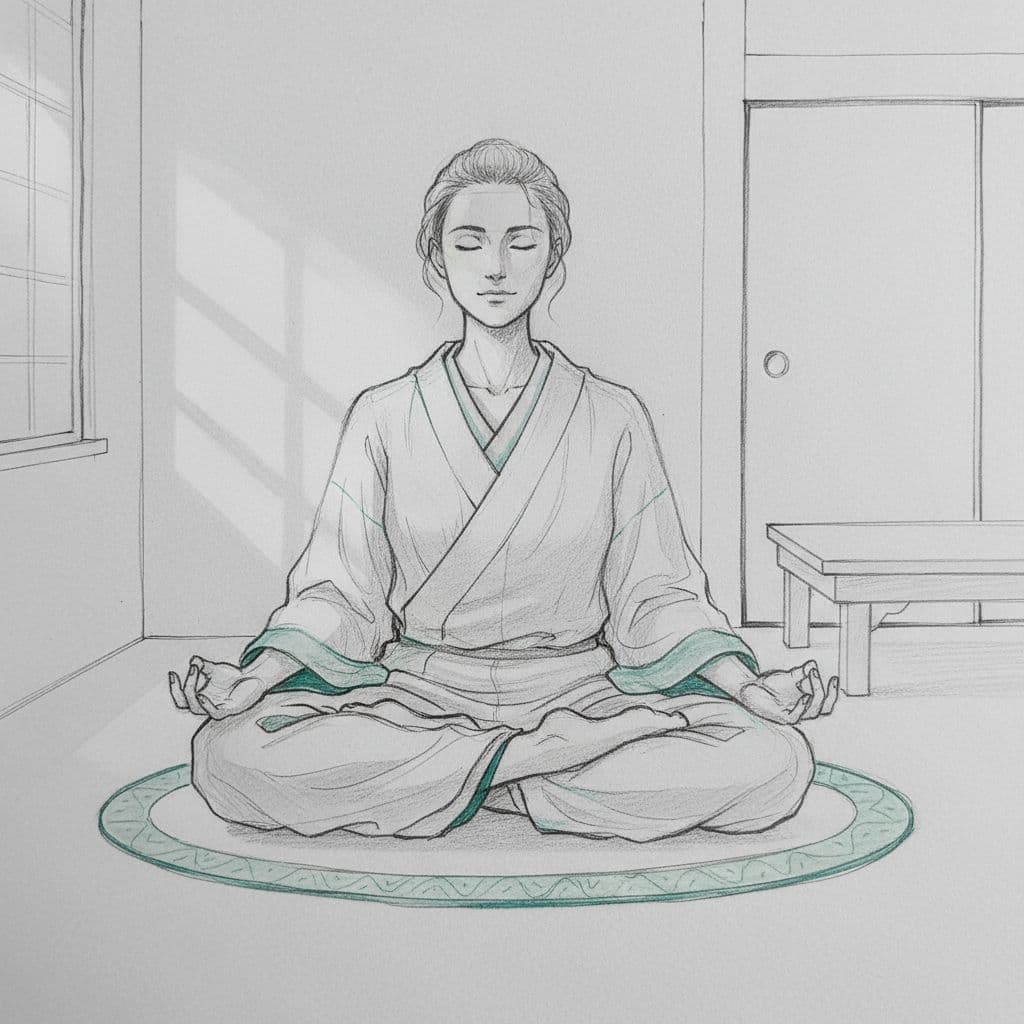
If alpha is the calm surface of the lake, theta is what happens when you sink below it. The mind gets quieter, but also less linear. That can be wonderful for longer meditations, yoga nidra, visualisation, emotional release, or preparing for sleep. It’s less helpful when you need to answer emails or balance a budget.
There’s some research behind this shift. A study on meditation depth and alpha-theta patterns found that alpha and theta activity changed as meditation deepened. That lines up with what many meditators notice for themselves. The further inward the practice goes, the more theta-like it can feel.
If you enjoy longer inward sessions, our guide to top deep theta meditation music tracks may help you find music that settles the mind without feeling cold or clinical.
How to choose between alpha and theta in your own routine
The simplest answer is this: choose the state that matches the job.
- Pick alpha when you want calm focus, gentle presence, or a reset before work.
- Pick theta when you want deep meditation, visualisation, or sleep-ready relaxation.
- Try both in sequence when you have time, starting awake and settled, then letting the session grow softer.
That last option works beautifully. Many people begin in an alpha-like state and then drift towards theta as the body relaxes. You don’t have to force that change. In fact, trying too hard usually gets in the way.
Sound can help, especially if your mind is busy. Slow instrumental music, soft pulses, or binaural beats can act like a handrail. If that interests you, these top theta binaural beats for meditation offer a good place to begin.
What matters most is how you feel afterwards. More clear? More rested? More centred? That tells you more than any label ever will.
Alpha and theta aren’t rivals. They’re more like two different rooms in the same house. Alpha helps you stay calm and present, while theta helps you go deeper and let go.
So try both with a clear purpose. If you want to focus, start with alpha. If you want to melt into meditation, let theta take the lead.