Most people assume that meditation is simply a matter of sitting quietly, breathing slowly, and waiting for inner peace to arrive — like a delayed bus that may or may not show up. What if the real driver of deep healing during meditation isn’t willpower or patience, but the specific brainwave state your mind enters? Theta waves (4-8 Hz) are linked to deep relaxation, emotional processing, and genuine healing at a neurological level. This isn’t mystical fluff. There’s real science here, and once you understand how theta frequencies work, your entire approach to meditation and healing shifts. Let’s get into it.
Key Takeaways
| Point | Details |
|---|---|
| Theta supports healing | Theta frequencies foster deep relaxation and neuroplasticity, aiding emotional and physical recovery. |
| Meditation boosts theta power | Focused meditation techniques increase theta brainwaves, improving stress regulation and wellbeing. |
| Evidence is nuanced | Theta frequencies show clinical promise, but benefits vary by individual and more research is needed. |
| Practical use matters | Combining theta-inducing practices with holistic approaches maximises healing outcomes. |
What are theta frequencies and why are they significant?
If your brain were an orchestra (and honestly, it kind of is), theta frequencies would be the quiet, resonant cello section playing underneath everything else. They’re not the loudest section, but remove them and the whole piece feels hollow. Theta waves oscillate between 4 and 8 Hz, placing them in a fascinating middle ground between the alert, problem-solving beta state and the deep, dreamless delta state of sleep.
You naturally produce theta waves during:
- Light sleep and the hypnagogic state (that dreamy edge just before you drift off)
- Deep meditation, particularly in experienced practitioners
- Creative flow states, when ideas seem to arrive from nowhere
- Emotional processing, including moments of grief, joy, or profound insight
- REM dreaming, where the brain consolidates memory and emotion
What makes theta particularly interesting for healing is what happens neurologically when you’re in this state. The science of theta waves points to a cascade of beneficial effects that go well beyond simple relaxation.
“Theta waves facilitate healing via parasympathetic activation and neuroplasticity, helping the nervous system shift out of chronic stress and into genuine restoration.”
The parasympathetic nervous system, often called the “rest and digest” system, is the body’s counterbalance to the stress response. When theta waves are dominant, the parasympathetic system tends to take the wheel. Heart rate slows. Cortisol drops. The body stops bracing for impact and starts actually repairing itself. This is why healing theta meditation is more than a pleasant experience. It’s a physiological shift.
Neuroplasticity is the other headline here. Theta activity is closely associated with long-term potentiation, the process by which the brain strengthens neural connections. Think of it as the brain’s filing and rewiring system running at full capacity. Old emotional patterns, habitual stress responses, and even physical pain signals can be restructured during sustained theta states.
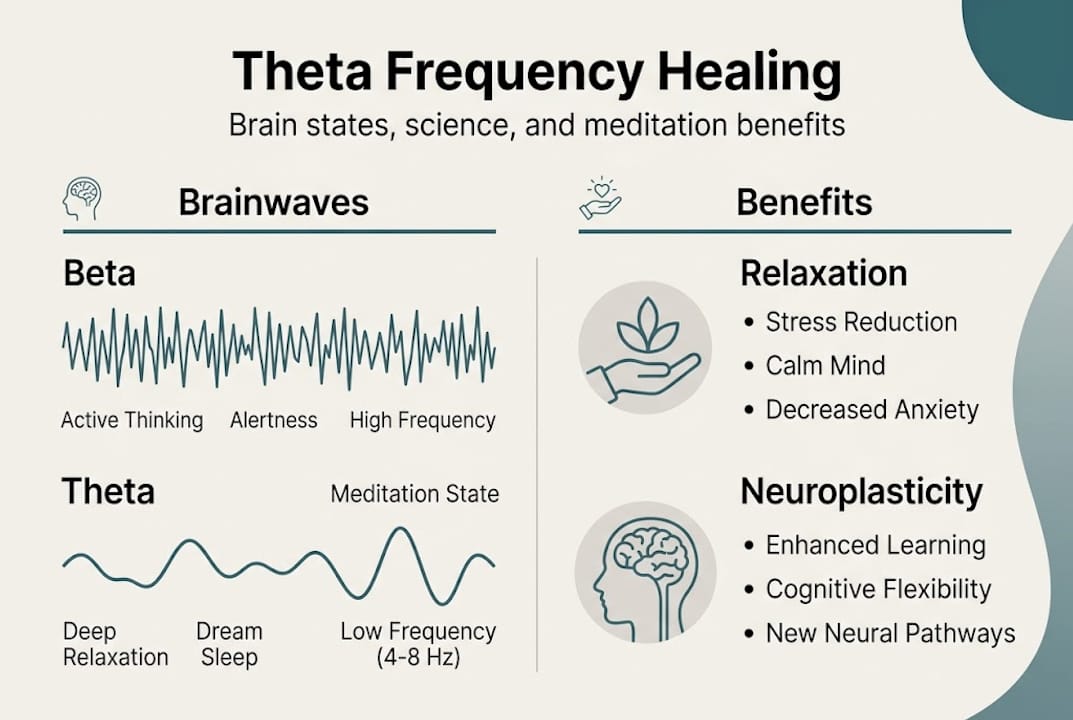
| Brainwave state | Frequency range | Associated state |
|---|---|---|
| Beta | 13-30 Hz | Alert, focused, stressed |
| Alpha | 8-12 Hz | Calm, relaxed, reflective |
| Theta | 4-8 Hz | Deep meditation, healing, creativity |
| Delta | 0.5-4 Hz | Deep sleep, unconscious repair |
The table above shows where theta sits in the brainwave spectrum. It’s the sweet spot between conscious awareness and deep unconscious processing. You’re present enough to guide the experience, but relaxed enough for genuine healing to unfold. That combination is rare, and rather extraordinary when you think about it.
How theta frequencies impact mind and body: clinical evidence
Right, so theta waves sound impressive in theory. But what does the actual clinical evidence say? Quite a lot, as it turns out, and some of it is genuinely surprising.
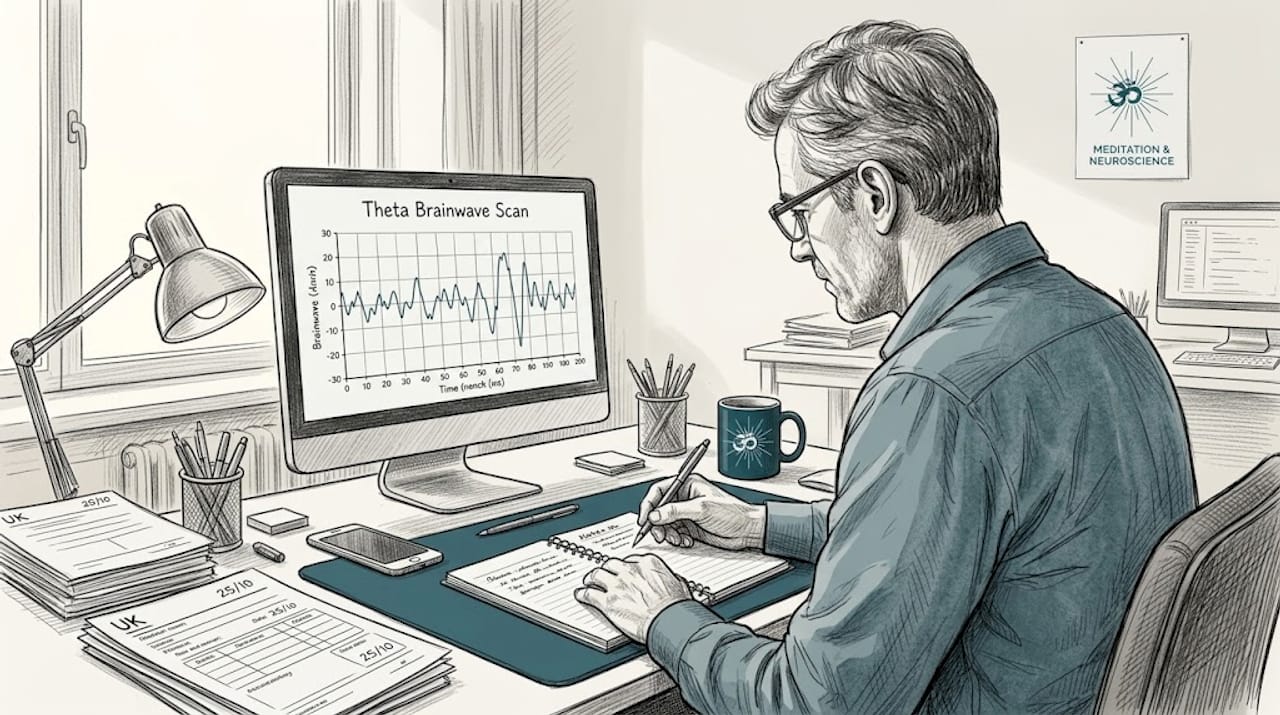
Let’s start with pain. Theta oscillations modulate pain perception, and transcranial alternating current stimulation (tACS) applied at theta frequencies has shown measurable relief in post-stroke chronic pain. That’s not a subtle finding. Chronic post-stroke pain is notoriously difficult to treat, and the fact that externally applied theta-frequency stimulation can alleviate it tells us something important: the brain’s pain-processing systems are genuinely responsive to theta modulation.
Here’s how theta affects the body across several dimensions:
- Pain modulation: Theta activity in sensorimotor cortex regions helps regulate how pain signals are processed and perceived
- Emotional recovery: Theta states support the processing of traumatic or suppressed emotions by reducing amygdala reactivity
- Stress regulation: Sustained theta activity lowers cortisol and activates the parasympathetic nervous system
- Neuroplasticity: Theta waves facilitate long-term potentiation, literally rewiring neural pathways associated with habitual stress or pain
- Autonomic balance: Improved heart rate variability (HRV) is linked to theta-dominant meditative states
On that last point, HRV in meditation is a particularly useful marker. HRV measures the variation in time between heartbeats, and higher HRV is associated with better stress resilience, emotional regulation, and overall health. Meditation practices that increase theta power consistently show improvements in HRV, suggesting the body’s autonomic nervous system is genuinely responding.
Theta power and meditation: a comparison
| Condition | Theta power | HRV outcome | Stress markers |
|---|---|---|---|
| No meditation | Baseline | Lower | Elevated cortisol |
| Beginner meditation | Moderate increase | Slight improvement | Mild reduction |
| Advanced meditation | Significant increase | Marked improvement | Substantial reduction |
Meditation increases theta power, and this is directly linked to autonomic and stress regulation. Advanced practitioners show particularly pronounced theta activity, suggesting that regular practice compounds the benefits over time. It’s a bit like going to the gym, except instead of building biceps, you’re building a more resilient, self-healing nervous system.
For those wanting to accelerate this process, exploring a theta binaural beats download or learning about binaural healing beats can offer practical entry points into theta-state meditation.
Theta frequencies in meditation: mechanisms and practices
Knowing that theta frequencies support healing is one thing. Actually getting your brain into a consistent theta state is another matter entirely. Fortunately, there are several well-tested approaches, and you don’t need to be a Tibetan monk with forty years of practice under your belt to access them.
Meditation induces theta states primarily through sustained, focused attention combined with physical relaxation. As the body quiets and mental chatter subsides, the brain naturally shifts from beta toward alpha and then theta. The challenge is that most beginners never quite make it past alpha. Their minds wander, they check the time, they remember they forgot to reply to an email. Sound familiar?
This is precisely where structured audio tools become genuinely useful. Meditation enhances theta power, and advanced practitioners show unique rhythmic patterns that beginners can approximate through audio entrainment. Here are the main techniques:
- Binaural beats: Two slightly different frequencies played in each ear; the brain perceives a third “beat” at the difference frequency, gently nudging brainwaves toward theta
- Isochronic tones: Rhythmic pulses at a target frequency, often considered more potent than binaural beats for some listeners
- Guided imagery meditation: A narrator leads you through visualisations that naturally encourage deep relaxation and theta entry
- Orchestral theta music: Carefully composed music tuned to support theta states, particularly effective when combined with 3D or binaural recording techniques
- Breathwork combined with sound: Slow, diaphragmatic breathing synchronised with theta-frequency audio dramatically speeds up state induction
If you’re curious about which audio approach suits you best, the comparison between isochronic tones vs binaural beats is worth exploring. And if you want a practical breakdown of frequencies, the binaural beats Hz guide lays it out clearly.
For deepening your practice, deep theta meditation music offers curated listening options that support genuine state induction rather than just pleasant background noise. There’s a meaningful difference between music that relaxes you and music engineered to shift your brainwaves. The theta wave science behind entrainment is well-established enough to take seriously.
Pro Tip: Start with sessions of 20 to 30 minutes rather than jumping straight into hour-long practices. Theta entrainment is a skill your nervous system develops over time, and shorter, consistent sessions tend to produce better results than occasional marathon attempts. Think of it as calibrating a very sophisticated instrument, which, of course, you are.
Critical perspectives: limitations, controversies, and what to watch for
Here’s where we put on our sensible hats for a moment. Because as genuinely exciting as theta frequency research is, there’s a fair amount of overblown marketing in this space, and it’s worth knowing the difference between solid evidence and wishful thinking.
The honest picture looks something like this:
- Binaural beats have mixed efficacy: Some studies show clear benefits; others find effects barely distinguishable from placebo. Individual response varies considerably
- Theta alone isn’t a cure: Sound and frequencies are supportive, not curative; they work best as part of a broader wellness or therapeutic approach
- Clinical evidence is still developing: Most rigorous studies focus on specific conditions (post-stroke pain, anxiety) rather than general “healing,” so broad claims warrant caution
- Frequency balance matters: Spending too much time in theta without adequate beta activity can leave some people feeling foggy, unmotivated, or emotionally unmoored
- Individual variability is real: Neurological differences, medication, sleep quality, and stress levels all affect how readily someone enters theta states
“The most honest framing is this: theta frequencies create conditions for healing. They don’t perform healing on your behalf.”
This distinction matters enormously. If you approach theta meditation expecting it to dissolve chronic pain, resolve trauma, or cure illness without any other intervention, you’re likely to be disappointed. If you approach it as a powerful tool that supports your body’s own healing intelligence, you’ll probably find it genuinely transformative.
For a broader understanding of how sound frequency treatment fits into wellness, or how a healing frequency machine compares to meditative practice, it’s worth reading critically and cross-referencing claims. Similarly, understanding sound therapy frequencies in context helps you make informed choices rather than chasing the latest wellness trend.
Pro Tip: When evaluating any theta frequency product or programme, look for peer-reviewed references, transparent methodology, and realistic outcome claims. If a product promises to “cure” anything, put it down and back away slowly.
A fresh take: the real pathway to healing with theta frequencies
I’ll be honest with you. When I first started exploring theta frequencies, I half-expected the research to be thin, the claims overblown, and the whole thing to collapse under scrutiny like a badly constructed soufflé. What I actually found was more nuanced, and in some ways more interesting, than either the enthusiasts or the sceptics suggested.
The clinical evidence for specific applications, particularly tACS in post-stroke pain, is genuinely compelling. But the leap from “theta stimulation helps post-stroke pain” to “theta music heals everything” is a large one, and it’s a leap that the science doesn’t fully support yet. That’s not a reason to dismiss theta frequencies. It’s a reason to use them wisely.
What actually works, in my experience and based on the evidence, is treating theta frequencies as one instrument in a larger orchestra. They’re not the soloist. They’re part of an ensemble that includes sleep, nutrition, movement, emotional processing, and human connection. When theta meditation is woven into a genuinely holistic practice, the results can be remarkable. When it’s used as a shortcut or a substitute for those fundamentals, it tends to underdeliver.
Advanced meditators consistently report that the depth of their theta states improves with practice, patience, and good audio tools. That’s the real message here. Theta frequencies are powerful, accessible, and scientifically supported. They’re also not magic. Respect them as the sophisticated neurological tool they are, and they’ll serve you well. Treat them as a miracle cure, and you’ll be back to waiting for that delayed bus. Explore life-changing theta meditation with realistic expectations, and you might be pleasantly surprised by what your own nervous system is capable of.
Experience the healing power of theta meditation music
Understanding theta frequencies intellectually is one thing. Actually experiencing them through carefully crafted sound is something else entirely, and rather wonderful. At Orchestral Meditations, we’ve spent considerable time and care producing theta meditation music recorded at Abbey Road Studios with the National Philharmonic, using 3D surround sound and binaural techniques specifically designed to guide your brain into genuine theta states.
Whether you’re new to frequency-based meditation or a seasoned practitioner looking to deepen your practice, our library has something for you. Explore our full range of English meditation music, discover what works for your practice with our best meditation music selection, or explore the restorative power of our best solfeggio music collection. Your healing journey deserves a proper soundtrack.
Frequently asked questions
What are theta frequencies and where do they naturally occur?
Theta frequencies are brainwaves between 4-8 Hz that naturally occur during deep relaxation, meditation, creative flow states, and the light sleep phase just before full unconsciousness.
Can listening to theta frequencies actually improve my healing?
Theta frequencies can genuinely support emotional recovery and stress reduction, though results vary individually and they work best as part of a broader, holistic wellness approach rather than as a standalone treatment.
How does meditation help increase theta power in the brain?
Meditation increases theta power by quieting mental activity and shifting the nervous system toward parasympathetic dominance, which is directly linked to improved stress regulation and autonomic balance.
Are there risks to using binaural beats or theta frequency music?
Risks are minimal for most people, though individual variability means some listeners may feel foggy or emotionally unsettled if they use theta audio excessively or without balancing it with other brainwave states.
Is there clinical evidence supporting theta frequency therapies?
Yes, particularly for pain modulation, where theta oscillations modulate pain and tACS at theta frequencies has shown measurable relief in post-stroke chronic pain, though broader healing claims still require more clinical trials.
Recommended
- Top Meditation Hertz For Deep Relaxation And Healing Soundscapes
- Top Healing Frequencies: The Best Frequency To Listen To For Wellness
- Essential Guide To Healing Hz Frequencies: Benefits And Applications
- What Sound Frequency Is Healing? Top Frequencies And Their Benefits
- 7 astrology meditation methods to enhance spiritual growth | Lunaris
- Descubra os tipos de meditação ideais para o seu bem-estar