
Some nights, sleep feels close enough to touch, yet somehow out of reach. If you’ve ever typed meditation music sleep into a search bar at midnight, you already know the feeling.
The right music can calm a busy mind, soften body tension, and turn bedtime into a gentle ritual instead of a battle. It won’t fix every sleep problem, but it can make rest feel far more inviting.
Why meditation music can help you fall asleep
Sleep rarely begins with a switch. It’s more like dimming the lights in a room. Your thoughts slow, your breathing eases, and your body gets the hint that it’s safe to let go.
That’s where good sleep music helps. Slow, repeating sounds give the mind less to chase. Soft textures also mask little noises in the house, or that one creaky floorboard that always seems to speak at the wrong moment. When you hear the same calming track night after night, it starts to act like a bedtime cue.
Research points in the same direction. A 2025 review on the elements of music that improve sleep looked at what makes music useful at bedtime, while a 2026 systematic review of music-based sleep interventions found sleep benefits across music-based approaches in older adults. Another paper on mindfulness-based music listening and insomnia adds to the picture.
What matters most, though, is how the music feels in your body. If your shoulders drop and your jaw unclenches, you’re on the right track. If a piece keeps pulling your attention back to it, it may be lovely music, but it isn’t the best bedtime music.
What the best sleep meditation music sounds like
The best meditation music for sleep usually has space, steadiness, and warmth. It doesn’t rush. It doesn’t surprise you. Above all, it doesn’t ask much from the listener.

A few styles tend to work especially well.
| Style | Best for | Possible drawback |
|---|---|---|
| Soft ambient pads | Quieting mental chatter | Can feel too empty for some people |
| Nature-rich soundscapes | Covering outside noise | Heavy rain or birds can distract |
| Slow orchestral strings | Emotional comfort and warmth | Big swells can wake light sleepers |
| Binaural or theta-focused tracks | Deep stillness, often with headphones | Some listeners notice the tones too much |
If a track keeps asking for your attention, it’s probably not the right one for sleep.
Lyrics are often the first thing to avoid. Words give the brain something to follow, and bedtime isn’t the time for that. Slow instrumental music tends to work better because it feels like a steady hand on your shoulder. Many people also like theta-style recordings, and if that interests you, these top deep theta meditation tracks for total relaxation are a helpful place to compare options.
Best meditation music for sleep and deep rest
For many listeners, the sweet spot sits between meditation and music. You want something calming, but not bland. Gentle orchestral pieces do this beautifully because they carry emotion without demanding attention.
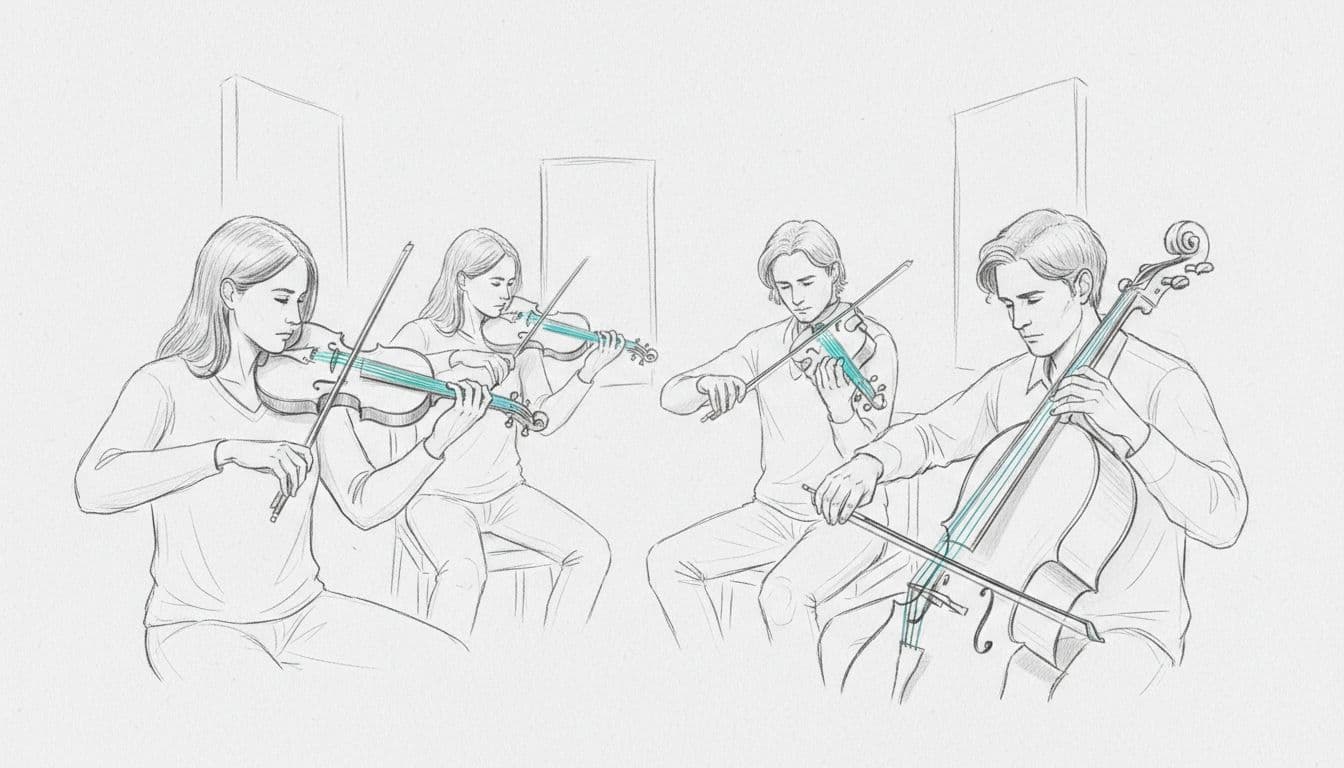
Slow strings, piano, and low, held tones can feel almost like being tucked in by sound. There’s shape and colour there, yet the pace stays soft. That’s one reason orchestral meditation music can be such a good fit for deep rest.
If you enjoy that fuller, more immersive sound, the Hina theta sleep meditation track is built around a calm, floating mood that suits bedtime well. It has that gentle sense of motion that can carry you into rest instead of leaving you stranded with your thoughts.
Some people prefer a more frequency-led approach, while others want music that feels natural and human. There isn’t one perfect answer. A useful rule is simple: choose music that helps you breathe more slowly within the first few minutes. If you’d like a wider look at styles, this guide to soothing sleep healing music for restful nights gives a good overview.
How to build a bedtime music routine that works
Even the best track needs the right setting. Sleep music works better when it becomes part of a rhythm, not a last-minute rescue plan.

Photo by Polina ⠀
Keep it simple:
- Start the music 15 to 30 minutes before sleep, not after you’re already wound up.
- Set the volume low, so it feels like atmosphere, not a performance.
- Stick with one or two trusted tracks, because constant switching wakes the mind up again.
- Lower the lights at the same time, so your ears and eyes tell the same bedtime story.
Also, give a new track a few nights. First impressions matter, but sleep habits like repetition. A familiar piece can become a soft signal that tells your body, “We do this now, and then we rest.”
A softer way into sleep
Good sleep music doesn’t need to be fancy. It needs to be calming, steady, and kind to a tired mind.
If sleep has felt slippery lately, start small tonight. Pick one gentle track, play it early, and let rest arrive a little more naturally.